Top 15 Safari Planning Tips in Kenya for an Unforgettable Experience
Feeling unsure about how to plan a safari that will deliver the adventure of a lifetime? Studies show that over 60% of travelers miss out on prime wildlife experiences due to poor preparation. Our safari planning tips in Kenya will help you navigate destinations, accommodations, and activities so every moment counts. Here are the top 15 tips that will set you up for an unforgettable Kenyan safari:
1. Understand the Best Time to Go: Safari Planning Tips in Kenya
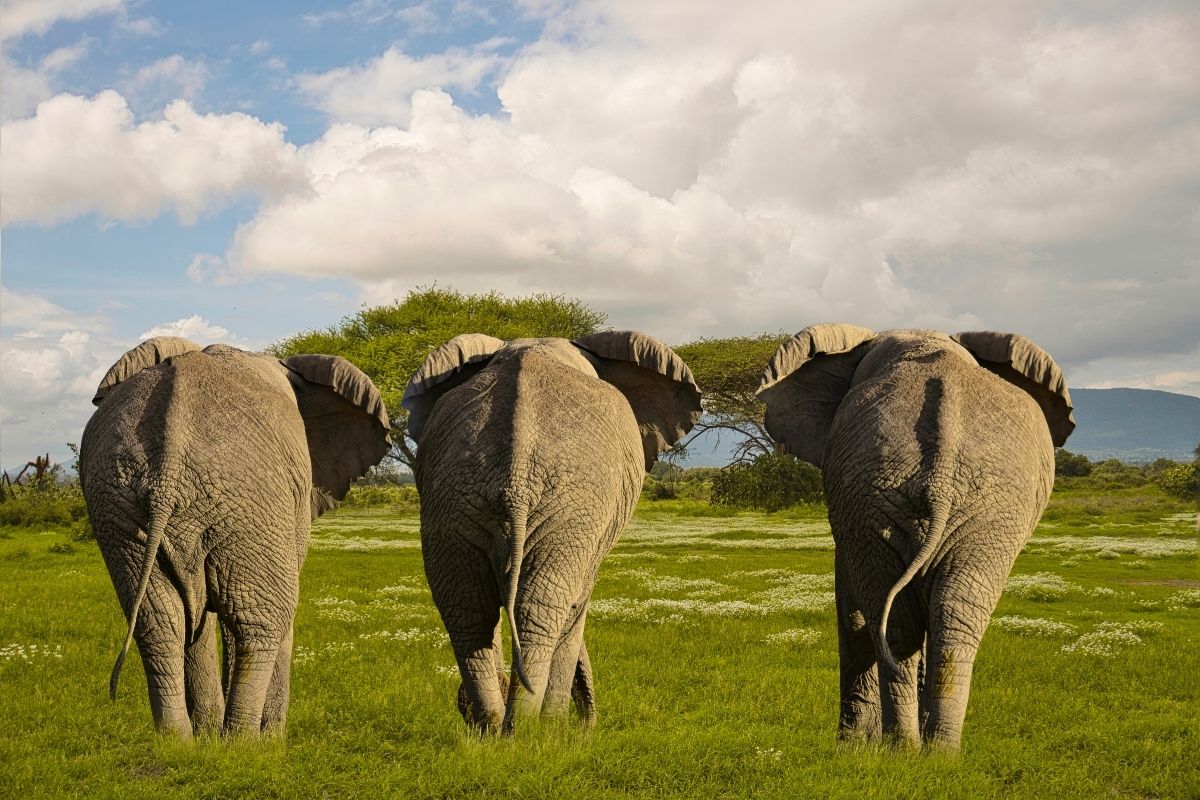
Timing is critical to a successful safari, which is why understanding the best time to go ranks among our top 15 tips. Choosing the right season affects every aspect of your trip, from the wildlife you see to your comfort, safety, and photography opportunities. A poorly timed safari can lead to fewer sightings, challenging travel conditions, or missed wildlife spectacles, while a well-timed safari maximizes both adventure and value for your investment.
Our safari planning tips in Kenya emphasize that timing isn’t just about the weather—it directly influences the quality of your experience and ensures you leave with memories rather than regrets. Here’s a deeper look at why each period matters:
Dry season (June–October):
- Why it matters: Wildlife congregates around water sources, so spotting elephants, lions, giraffes, and other iconic species is far easier. This makes the dry season ideal for first-time visitors or those seeking classic wildlife experiences.
- Travel convenience: Roads are firm and accessible, reducing the likelihood of delays during game drives. This is particularly important for families or travelers on tight schedules.
- Photography benefits: Sparse vegetation and clear skies provide excellent visibility and natural lighting, making your safari photos spectacular.
- Planning tip: Because it’s peak season, early bookings are essential for accommodations and guided tours to ensure availability and avoid inflated rates.
Wet season (March–May):
-
Why it matters: The rains transform the landscape into lush, vibrant scenery. Photographers and nature enthusiasts gain access to unique colors and dramatic landscapes not seen during the dry season.
-
Fewer crowds: With fewer tourists, your game drives feel more intimate, offering a chance to experience parks like Maasai Mara or Amboseli without the congestion of peak season.
-
Birdwatching opportunities: Migratory birds are more abundant, attracting avid birders who want to capture rare species.
-
Challenges: Some roads can be muddy or temporarily inaccessible, but with professional guides and 4×4 vehicles, these challenges become manageable and often add to the adventure.
Migration periods:
-
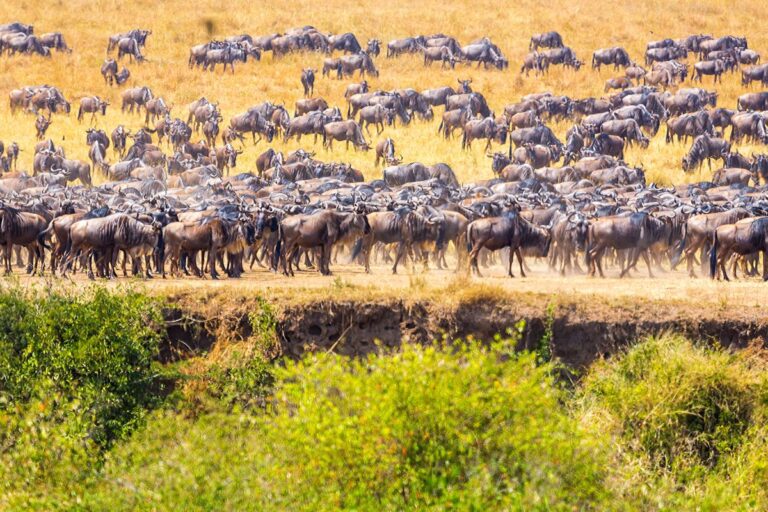
Why it matters: Witnessing the Great Wildebeest Migration is a bucket-list experience. Between July and October, you can see dramatic river crossings and predator-prey interactions, which are highlights of any safari.
-
Timing precision: Knowing the approximate location of the herds allows your guides to plan the perfect route, ensuring you witness nature at its most raw and exciting.
-
Maximizing experiences: Combining migration viewing with other parks lets you see both migratory and resident wildlife, offering a richer, fuller safari.
2. Choose Your Safari Destination Wisely: Safari Planning Tips in Kenya
Selecting the right safari destination is one of the most important decisions you’ll make, which is why it ranks among our top 15 tips. Kenya’s diverse landscapes offer vastly different experiences, from sweeping savannahs to lush lakesides and rugged wilderness. Our safari planning tips in Kenya emphasize that aligning your destination with your interests ensures every moment of your trip is meaningful, exciting, and memorable. Choosing incorrectly could lead to missed wildlife encounters or a safari experience that doesn’t match your expectations.
Maasai Mara:
-
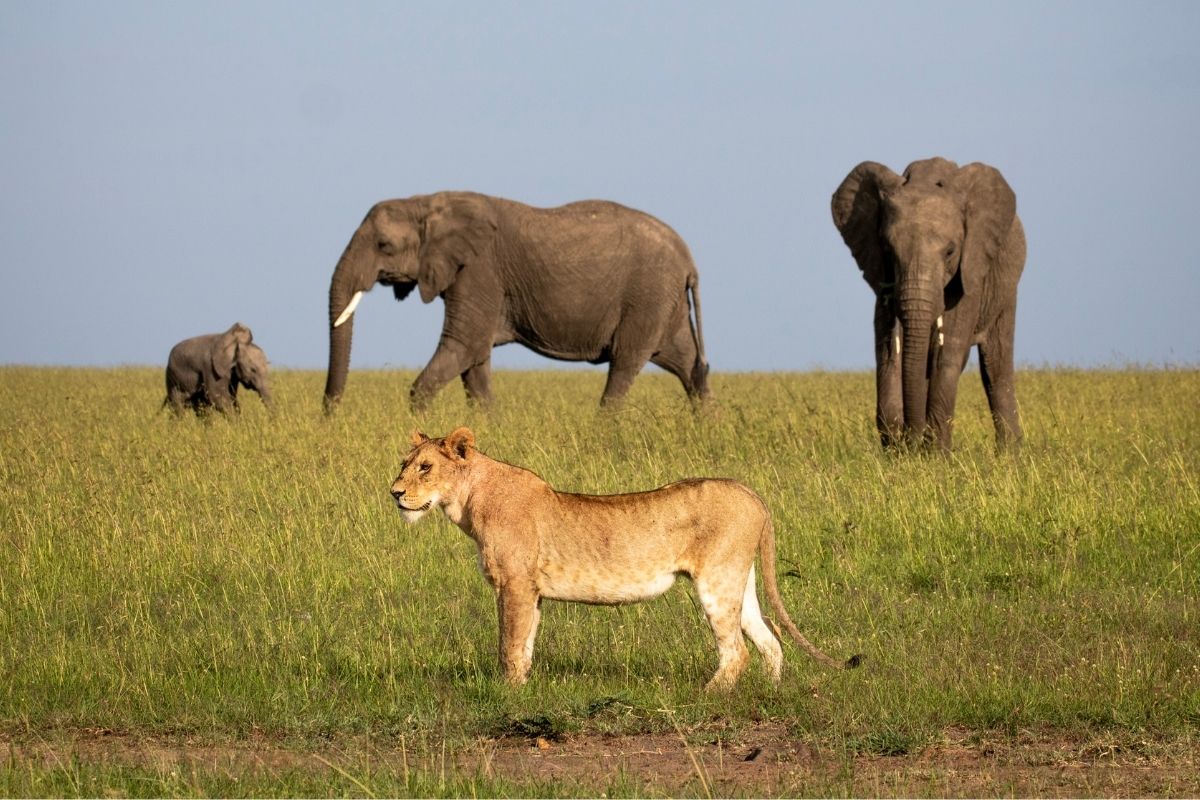
Why it’s special: Known as Kenya’s crown jewel, Maasai Mara offers iconic savannah landscapes and the chance to see the Big Five (lion, leopard, elephant, buffalo, and rhino).
-
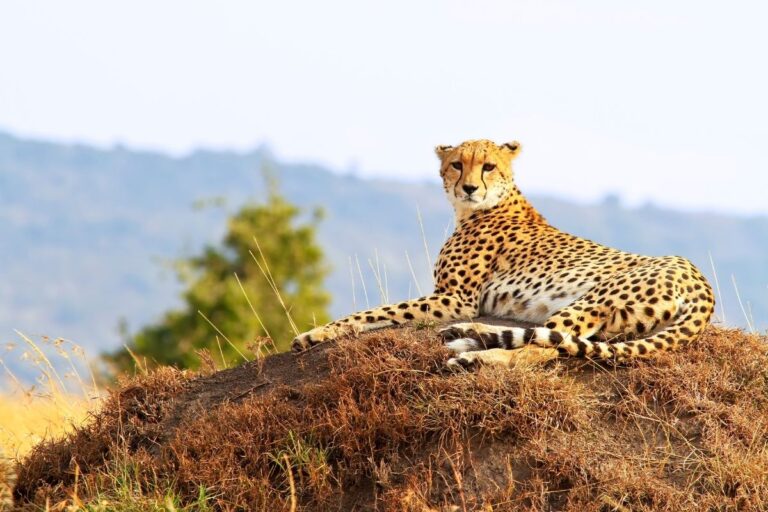
Wildlife highlights: Besides the Big Five, expect cheetahs, hyenas, zebras, and wildebeest throughout the park.
-
Best for: First-time safari-goers, photography enthusiasts, and those wanting the classic African safari experience.
Amboseli:
-
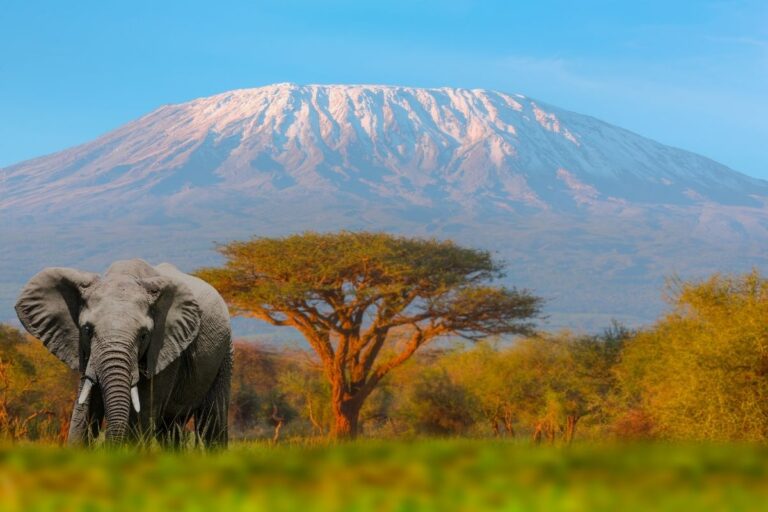
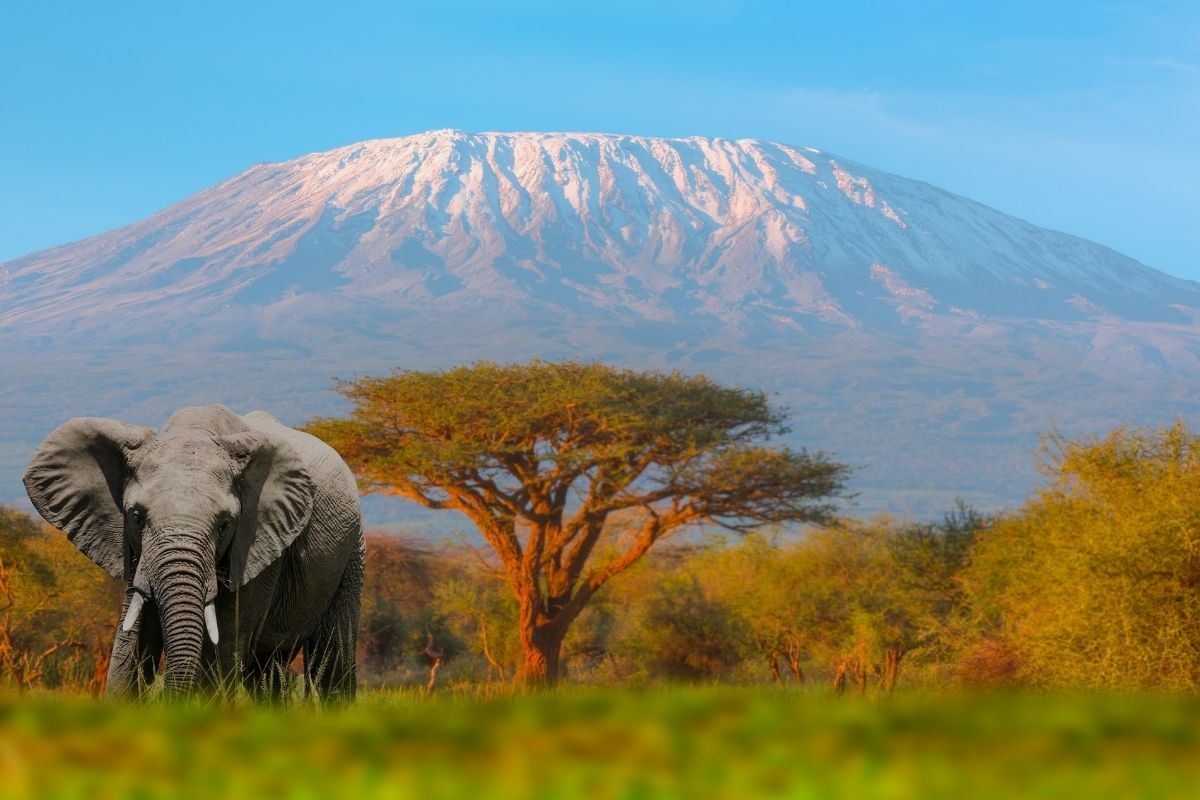
Why it’s special: Famous for its breathtaking backdrop of Mount Kilimanjaro, Amboseli is home to large herds of elephants.
-
Wildlife highlights: Beyond elephants, you’ll encounter lions, cheetahs, and numerous bird species.
-
Best for: Travelers seeking stunning landscapes combined with close-up wildlife photography.
Samburu:
-
Why it’s special: This northern park hosts rare and endemic species not commonly seen elsewhere in Kenya.
-
Wildlife highlights: Look for Grevy’s zebra, reticulated giraffes, gerenuks, and Somali ostriches.
-
Best for: Wildlife enthusiasts who want to see unique species and less crowded reserves.
Lake Naivasha:
-
Why it’s special: A freshwater lake offering boat safaris, birdwatching, and views of hippos and other aquatic wildlife.
-
Wildlife highlights: Pelicans, cormorants, fish eagles, hippos, and occasionally giraffes grazing near the lake shores.
-
Best for: Families, birdwatchers, and travelers looking for a more relaxed safari experience combined with water-based activities.
3. Decide on the Safari Type: Safari Planning Tips in Kenya
Choosing the right safari type is crucial, which is why it’s one of our top 15 tips. The style of safari you select directly impacts your comfort, budget, level of adventure, and overall satisfaction. Our safari planning tips in Kenya emphasize that matching the safari type to your personal preferences ensures you get exactly the experience you’re dreaming of, rather than one that falls short of expectations. From social group experiences to luxurious private adventures, understanding the options helps you plan a safari tailored to your needs.
Guided group safaris:
-
Why it’s ideal: Perfect for travelers who enjoy meeting others and sharing experiences while keeping costs reasonable.
-
Advantages: Social interactions, structured itineraries, and professional guidance included.
-
Best for: Solo travelers, first-time visitors, and budget-conscious adventurers.
Private safaris:
-
Why it’s ideal: Offers complete flexibility and a personalized experience tailored to your schedule and interests.
-
Advantages: Private vehicles, bespoke itineraries, and one-on-one guidance from experienced safari guides.
-
Best for: Couples, families, or travelers seeking privacy and exclusivity.
Luxury lodges or tented camps:
-
Why it’s ideal: Provides premium comfort without compromising the safari experience.
-
Advantages: Spacious accommodations, fine dining, private guides, and additional amenities like pools or spa services.
-
Best for: Travelers who value comfort and convenience while still enjoying immersive wildlife experiences.

Budget camping safaris:
-
Why it’s ideal: Immerses you fully in nature, often in close proximity to wildlife, while being cost-effective.
-
Advantages: Adventure-focused, social experiences, and opportunities to learn practical safari skills from guides.
-
Best for: Young travelers, adventure seekers, or those wanting the most authentic safari experience.
4. Set a Realistic Budget: Safari Planning Tips in Kenya
Planning your finances is one of the most critical steps in organizing a successful safari, which is why setting a realistic budget ranks among our top 15 tips. Even the most carefully planned safari can be overshadowed by unexpected costs, overspending, or compromised experiences. Our safari planning tips in Kenya emphasize that understanding your financial limits early allows you to make informed choices about destinations, accommodations, activities, and transport, ensuring a smooth and stress-free trip. Key budget considerations:
i. Park entry fees and permits:
- Most national parks and reserves require entrance fees, which can vary depending on the park and the duration of your visit.
- Some parks also charge additional fees for special activities, such as night drives or guided walks, so it’s important to factor these into your budget.
ii. Accommodation costs:
- Lodges, luxury tented camps, mid-range accommodations, and budget camps all have different price points.
- Prices often fluctuate depending on the season, with peak periods being more expensive. Planning early ensures better rates and availability.
iii. Transport options:
- Safari travel can include private 4×4 vehicles, shared game drives, domestic flights, or even boat transfers in certain areas.
- Choosing the right combination affects both convenience and cost, so weigh the benefits of comfort against budget constraints.
iv. Meals, tips, and additional activities:
- While some lodges include full-board meals, others may not, so it’s essential to account for meals and snacks.
- Tips for guides, drivers, and lodge staff are customary and should be included in your financial planning.
- Extra activities such as hot air balloon rides, cultural tours, or boat safaris should be budgeted if you plan to include them.
5. Book Your Safari in Advance: Safari Planning Tips in Kenya
Securing your safari early is one of the most important steps to ensure a seamless and memorable experience, which is why booking in advance ranks among our top 15 tips. Our safari planning tips in Kenya emphasize that early reservations give you access to the best accommodations, experienced guides, and reliable transport, while also protecting you from the stress and uncertainty of last-minute planning. Waiting too long can limit your options, increase costs, and even result in missing out on key wildlife experiences, especially during peak seasons. Benefits of booking in advance:
i. Preferred accommodations and lodges:
- High-demand lodges and luxury tented camps fill up quickly, especially during peak wildlife viewing periods.
- Booking early allows you to secure the room type and location that best suit your preferences, whether it’s a suite with panoramic savannah views or a tent near a watering hole.
ii. Availability of expert guides and vehicles:
- Professional safari guides are essential for spotting wildlife, understanding animal behavior, and ensuring safety.
- Booking in advance guarantees you access to knowledgeable guides and well-maintained 4×4 vehicles tailored for safari drives.
iii. Peace of mind knowing your itinerary is confirmed:
- Early booking allows you to finalize your schedule, giving you time to plan additional activities like balloon rides, cultural experiences, or photography sessions.
- It reduces stress and ensures that all logistics, from transfers to park permits, are handled efficiently.
6. Understand Wildlife and Safety Guidelines
Safety is one of the most critical considerations on any safari, which is why understanding wildlife and park guidelines ranks among our top 15 tips. Kenya’s parks are home to majestic but unpredictable animals, and even the most experienced travelers can face risks if safety rules are ignored. Our safari planning tips in Kenya stress that respecting animals and following park protocols not only protects you but also ensures a responsible and ethical wildlife experience. Key wildlife and safety guidelines:
i. Maintain a safe distance from wildlife:
- Keep a minimum distance as recommended by your guide, usually several meters depending on the animal.
- Close encounters can be dangerous, especially with predators like lions, leopards, or elephants.
- Using binoculars or zoom lenses allows you to observe wildlife safely without disturbing them.
ii. Follow your guide’s instructions:
- Guides are trained to read animal behavior and know how to react in unexpected situations.
- Always stay in the vehicle unless guided walks or designated areas allow otherwise.
- Never attempt to approach or feed animals, no matter how calm they appear.
iii. Avoid loud noises and sudden movements:
- Sudden sounds or gestures can startle animals, creating stress or provoking defensive behavior.
- Maintaining quiet ensures you don’t disrupt natural behavior, allowing for better wildlife viewing and photography opportunities.
iv. Never feed or provoke animals:
- Feeding wildlife alters their natural behavior and can be dangerous.
- Provoking or teasing animals not only risks injury but also violates park regulations and ethical standards.
7. Pack Smartly
Packing appropriately is one of the most overlooked yet essential aspects of a successful safari, making it a top 15 tip. Our safari planning tips in Kenya emphasize that what you bring can significantly affect your comfort, safety, and overall enjoyment. Being prepared with the right clothing, gear, and accessories ensures you can fully immerse yourself in wildlife viewing, photography, and cultural experiences without unnecessary stress or discomfort. Key packing essentials:

i. Neutral-colored clothing:
- Opt for khaki, olive, or earth-toned clothing to blend in with the environment and avoid startling wildlife.
- Lightweight, breathable fabrics are ideal for hot daytime temperatures, while layers are useful for cooler mornings and evenings.
ii. Wide-brim hats, sunglasses, and sunscreen:
- Protects against harsh sun exposure during long game drives or walks.
- Sunglasses reduce glare and improve visibility when photographing wildlife.
- Sunscreen with high SPF prevents sunburn, particularly in open savannah areas.
iii. Comfortable walking shoes:
- Sturdy, closed-toe shoes are essential for walking in uneven terrain, lodge grounds, or during guided bush walks.
- Avoid new shoes that may cause blisters; comfort is critical for long days outdoors.
iv. Binoculars and camera with extra batteries:
- Binoculars allow you to observe wildlife from a safe distance while capturing rare moments.
- Cameras with spare batteries or memory cards ensure you never miss a photo opportunity.
8. Packing Electronics and Gear for Safari Planning in Kenya
Having the right electronics and gear can make or break your safari experience, which is why it’s ranked among our top 15 tips. Our safari planning tips in Kenya emphasize that well-prepared travelers can capture breathtaking wildlife moments, stay connected, and avoid common tech-related frustrations. Proper equipment ensures you don’t miss photo opportunities, helps you document your adventure, and keeps your devices safe in rugged outdoor conditions. Essential electronics and gear for your safari:
i. Cameras with telephoto lenses:
- Telephoto lenses allow you to photograph wildlife from a safe distance without disturbing animals.
- Consider a versatile lens range (e.g., 100–400mm) to capture both close-up portraits and wide shots of landscapes.
ii. Drones (if permitted):
- Drones can provide unique aerial perspectives of parks and wildlife, adding a cinematic touch to your safari memories.
- Always check park regulations, as some reserves restrict drone usage to protect wildlife and ensure visitor safety.
iii. Power banks and extra batteries:
- Long game drives can drain batteries quickly, and lodges may have limited charging points.
- Carrying fully charged power banks ensures that cameras, phones, and GPS devices remain functional throughout the day.
iv. Waterproof cases for electronics:
- Sudden rains or accidental splashes near water bodies can damage devices.
- Waterproof or rugged cases protect cameras, phones, and drones, allowing you to focus on capturing moments without worry.
9. Prepare for Health and Wellness
Prioritizing your health is essential for a safe and enjoyable safari, which is why it ranks among our top 15 tips. Our safari planning tips in Kenya emphasize that even minor health oversights can impact your experience, from fatigue and dehydration to preventable illnesses. Staying proactive with vaccinations, hydration, and protective measures ensures that you can fully enjoy every moment of your safari without interruption or discomfort. Key health and wellness preparations:
i. Consult a doctor for vaccinations and malaria prevention:
- Seek advice on recommended vaccinations such as yellow fever, typhoid, and hepatitis A & B.
- Malaria prophylaxis is strongly advised for many safari regions; consult a healthcare professional for the best options.
- Early consultation allows time to complete any required vaccination schedules before travel.
ii. Stay hydrated during game drives:
- Long hours in the sun can quickly lead to dehydration.
- Carry a reusable water bottle and sip water regularly to maintain energy and alertness.
iii. Carry a basic first-aid kit:
- Include bandages, antiseptic wipes, pain relief medication, and any personal prescription medicines.
- Having essential medical supplies on hand ensures minor injuries or ailments don’t disrupt your adventure.
iv. Use insect repellent and sun protection:
- Mosquitoes and other insects are common in certain parks; repellents reduce the risk of bites.
- Sunscreen with a high SPF, hats, and sunglasses protect against sunburn and prolonged UV exposure during game drives.
10. Choose the Right Safari Guide: Safari Planning Tips in Kenya
Selecting the right safari guide is one of the most impactful decisions for your trip, which is why it ranks among our top 15 tips. Our safari planning tips in Kenya emphasize that a knowledgeable guide doesn’t just lead you through the parks—they transform your entire safari experience. From spotting elusive wildlife to providing cultural context and ensuring safety, the right guide elevates every moment and helps you make the most of your adventure. Key reasons to hire the right guide:
i. Expert wildlife spotting:
- Experienced guides know animal behavior, migration patterns, and the best times and locations for sightings.
- Their knowledge ensures you don’t miss rare encounters, making your safari more rewarding.
ii. Cultural and ecological insights:
- Guides provide context about local communities, traditions, and conservation efforts.
- Understanding the ecosystems and wildlife interactions adds depth to your experience.

iii. Safety in remote areas:
- Guides are trained to handle emergencies, navigate challenging terrains, and ensure your well-being in unfamiliar environments.
- Their expertise minimizes risks during game drives, bush walks, or when visiting remote parks.
iv. Personalized advice on photography and activities:
- Guides can recommend optimal vantage points, lighting conditions, and wildlife behavior tips for photography.
- They can also tailor the itinerary to your interests, ensuring a more customized and memorable safari.
11. How to Plan Your Daily Safari Itinerary in Kenya: Safari Planning Tips in Kenya
A well-structured daily itinerary is essential for maximizing your safari experience, which is why it’s one of our top 15 tips. Our safari planning tips in Kenya highlight that careful planning ensures you witness key wildlife events, enjoy cultural experiences, and avoid fatigue from poorly timed drives. A thoughtfully crafted itinerary also helps you balance adventure, relaxation, and photography opportunities, ensuring that every day of your safari is fulfilling and stress-free. Key considerations for your daily itinerary:
i. Start early for optimal wildlife viewing:
- Many animals are most active at dawn and dusk, making early morning game drives ideal.
- Planning your day around these peak activity hours increases your chances of spotting predators, elephants, and other iconic species.
ii. Balance driving and rest periods:
- Long drives without breaks can lead to fatigue and reduce enjoyment.
- Include mid-day rest periods at your lodge or camp to recharge and prepare for afternoon drives.
iii. Incorporate cultural and nature-based activities:
- Visiting local villages, nature trails, or conservation centers enriches your safari experience.
- Our safari planning tips in Kenya emphasize that integrating cultural interactions ensures a more meaningful trip.
iv. Prioritize parks and experiences based on your interests:
- Allocate more time in parks known for specific wildlife, such as Maasai Mara for Big Five sightings or Amboseli for elephant herds.
- Planning your days around your priorities ensures you maximize what matters most to you.
12. Understand Transportation Logistics: Safari Planning Tips in Kenya
Efficient transportation is crucial for a seamless safari, which is why it ranks among our top 15 tips. Our safari planning tips in Kenya emphasize that understanding travel logistics can save time, reduce fatigue, and allow you to maximize wildlife viewing and cultural experiences. Choosing the right mode of transport ensures you arrive at your destinations safely, comfortably, and on schedule, making every moment of your safari enjoyable. Key transportation options and considerations:
i. 4×4 safari vehicles for rough terrain:
- Most parks and reserves feature uneven, unpaved roads, making 4×4 vehicles essential.
- These vehicles provide safety, comfort, and optimal viewing platforms for wildlife photography.
- Experienced drivers often double as guides, offering insights while navigating challenging terrain.
ii. Domestic flights to reduce travel time:
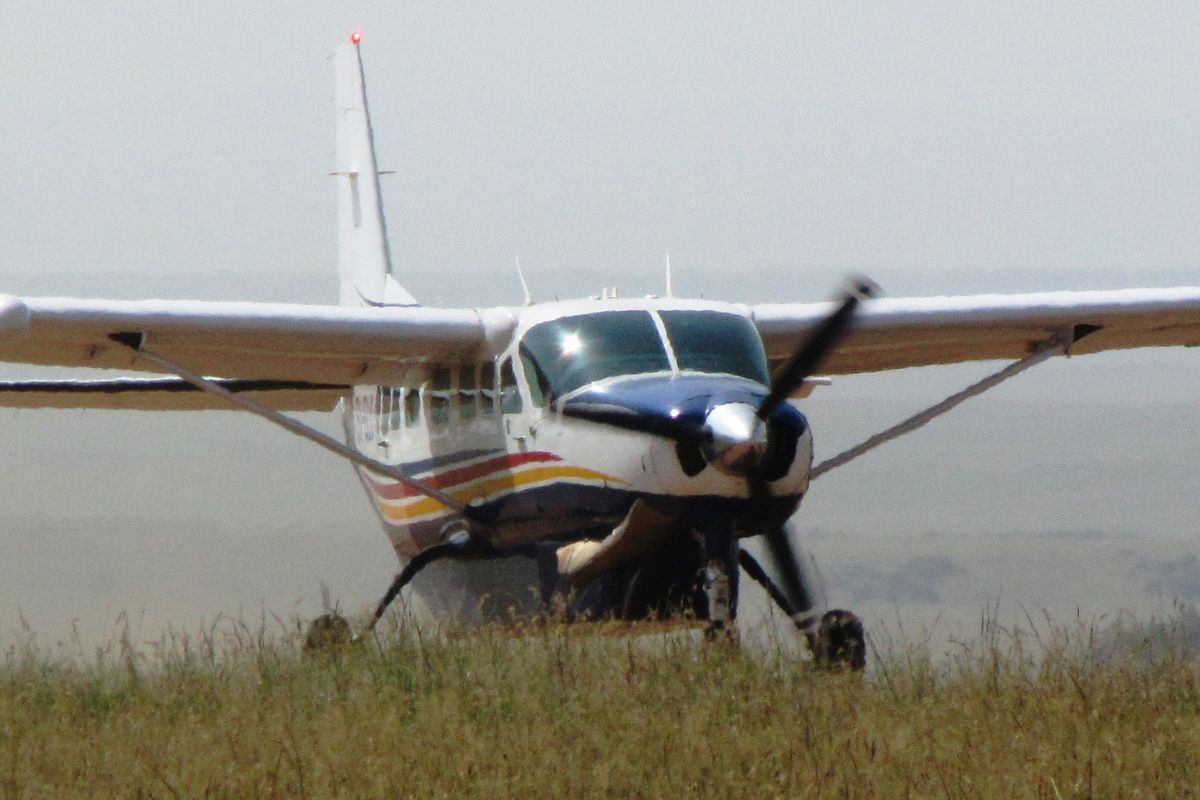
- Covering long distances between parks can take hours by road; domestic flights save valuable time.
- Flights allow you to maximize your safari days, especially if your itinerary includes multiple parks.
- Booking flights early ensures availability and sometimes better rates.
iii. Private vs. shared transport based on preference:
- Private vehicles provide flexibility in departure times, routes, and stops for photography or wildlife viewing.
- Shared transport is more budget-friendly and can be a social experience, though it may be less flexible.
- Our safari planning tips in Kenya highlight that choosing transport based on your priorities ensures convenience and comfort.
iv. Early departures for prime wildlife viewing:
- Wildlife is most active in the early mornings, making early departures critical for sightings.
- Coordinating transport to match game drive schedules ensures you don’t miss key moments like predator activity or bird migrations.
13. Consider Accommodation Options: Safari Planning Tips in Kenya
Accommodation plays a defining role in the quality of your safari, which is why it’s one of our top 15 tips. Our safari planning tips in Kenya emphasize that where you stay directly affects your comfort, connection with nature, and overall satisfaction. From luxurious lodges to budget-friendly camps, your choice of accommodation determines not just your rest, but also your access to wildlife and cultural experiences. Selecting the right lodging ensures that every night of your safari complements your adventure perfectly. Accommodation options to consider:
i. Luxury lodges for comfort:
- Ideal for travelers who value exclusivity, fine dining, and premium amenities such as private decks, infinity pools, and spa services.
- Luxury lodges often offer prime locations near watering holes or migration routes, giving you front-row access to wildlife.
- Our safari planning tips in Kenya recommend these lodges for those seeking high-end comfort with unforgettable views.
ii. Tented camps for immersive adventure:
- These combine the thrill of camping with the comfort of lodge-style services, such as en-suite bathrooms and full-course meals.
- Staying in a tented camp allows you to hear the sounds of nature up close, creating an authentic safari atmosphere.
- Perfect for travelers who want to experience the wild while maintaining a degree of comfort.
iii. Eco-lodges for sustainability:
- Designed with environmental responsibility in mind, eco-lodges minimize ecological impact while supporting local communities.
- Many use solar power, natural building materials, and locally sourced foods, aligning your travel with conservation values.
- Our safari planning tips in Kenya highlight eco-lodges as an excellent choice for responsible travelers.
iv. Budget campsites for cost-effective travel:
- Ideal for adventurers seeking authentic, down-to-earth experiences.
- While amenities are basic, the sense of community and closeness to nature is unmatched.
- Budget camps also allow you to allocate more of your funds to park fees, guided tours, and other activities.
14. Maximize Photography and Videography on a Kenyan Safari: Safari Planning Tips in Kenya
Capturing the magic of your adventure is one of the most rewarding parts of any safari experience. Our safari planning tips in Kenya emphasize that great photography and videography are not just about taking pictures — they’re about telling a story, preserving once-in-a-lifetime encounters, and sharing the soul of Kenya’s wilderness with others. A well-prepared traveler can turn simple moments into powerful visual memories that last forever.

This advice ranks among our top 15 safari planning tips in Kenya — because documenting your journey allows you to relive it long after you return home. Whether you’re an amateur with a smartphone or a professional with high-end gear, the right approach can transform your photos and videos into timeless treasures. Here are practical photography and videography tips based on our safari planning tips in Kenya:
i. Shoot during sunrise or sunset:
- The golden hours provide soft, warm light that enhances every shot. Wildlife is more active during these periods, giving you dynamic scenes against dramatic skies.
- Our safari planning tips in Kenya recommend scheduling game drives early in the morning and late in the afternoon to take advantage of this natural lighting.
ii. Use telephoto lenses for distant animals:
- Kenya’s wildlife is often spread across vast savannahs, making zoom lenses essential for close-up shots without disturbing the animals.
- A telephoto lens between 200mm and 400mm helps you capture fine details — from a lion’s intense stare to a giraffe’s graceful stride.
- Many travelers following safari planning tips in Kenya choose to rent lenses locally to reduce luggage weight while still getting quality results.
iii. Keep cameras ready during game drives:
- Wildlife encounters can happen suddenly, and the most memorable shots are often unplanned.
- Always keep your camera within reach, with settings pre-adjusted for lighting and movement. Our safari planning tips in Kenya recommend using burst mode for fast-moving animals like cheetahs or zebras in motion.
iv. Respect wildlife and maintain safety:
- Ethical photography is a major focus in all safari planning tips in Kenya. Avoid flash photography, loud noises, or sudden movements that might scare or stress animals.
- Keep a respectful distance and let your guide position the vehicle safely for the best angle. This ensures safety for both you and the wildlife while maintaining the authenticity of your experience.
15. Plan Your Safari Itinerary Thoughtfully: Safari Planning Tips in Kenya
A well-structured itinerary is the backbone of an unforgettable safari. Our safari planning tips in Kenya emphasize that thoughtful organization can make the difference between a rushed, exhausting trip and a balanced, deeply rewarding adventure. When your days flow seamlessly, you get to experience Kenya’s diverse ecosystems at the perfect pace — from sunrise game drives in the Maasai Mara to relaxed boat rides on Lake Naivasha.
This point earns its place among the top 15 safari planning tips in Kenya because your itinerary determines how much you see, how well you rest, and how memorable your journey becomes. Many travelers underestimate the importance of pacing, but even the most breathtaking destinations lose their magic if you’re constantly on the move. Here’s how our safari planning tips in Kenya guide you to create a well-balanced itinerary:
i. Combine multiple parks for varied experiences:
- Each Kenyan park offers something unique — the Maasai Mara’s predator action, Amboseli’s elephant herds under Kilimanjaro, and Samburu’s rare species all deliver different thrills.
- Our safari planning tips in Kenya recommend blending iconic reserves with hidden gems like Tsavo or Ol Pejeta to capture both classic and offbeat adventures.
ii. Schedule photography sessions strategically:
- Early mornings and late afternoons are ideal for capturing stunning images, thanks to the soft lighting and active wildlife.
- Plan your drives and rest times around these windows to maximize both your photo quality and your enjoyment. Our safari planning tips in Kenya often suggest including a dedicated “golden hour” drive for photographers.
iii. Allocate rest periods between drives:
- Safaris can be physically demanding, especially when traveling across multiple regions. Short breaks for relaxation — whether at the lodge pool or a quiet picnic site — help you recharge.
- Following our safari planning tips in Kenya, we recommend alternating long drives with lighter activities to maintain energy and excitement throughout your journey.
iv. Allow flexibility for spontaneous activities:
- The best safari moments are often unplanned — a lion pride sighting, an impromptu Maasai cultural visit, or a surprise sundowner on the plains.
- Our safari planning tips in Kenya always include a buffer day or open afternoon to accommodate these spontaneous opportunities without feeling rushed.
Benefits of Following Safari Planning Tips in Kenya
Following expert safari planning tips in Kenya transforms your trip from ordinary to extraordinary. Each benefit enhances your experience and ensures a smoother, safer, and more memorable adventure. Here are the key advantages:
1. Maximize Wildlife Sightings
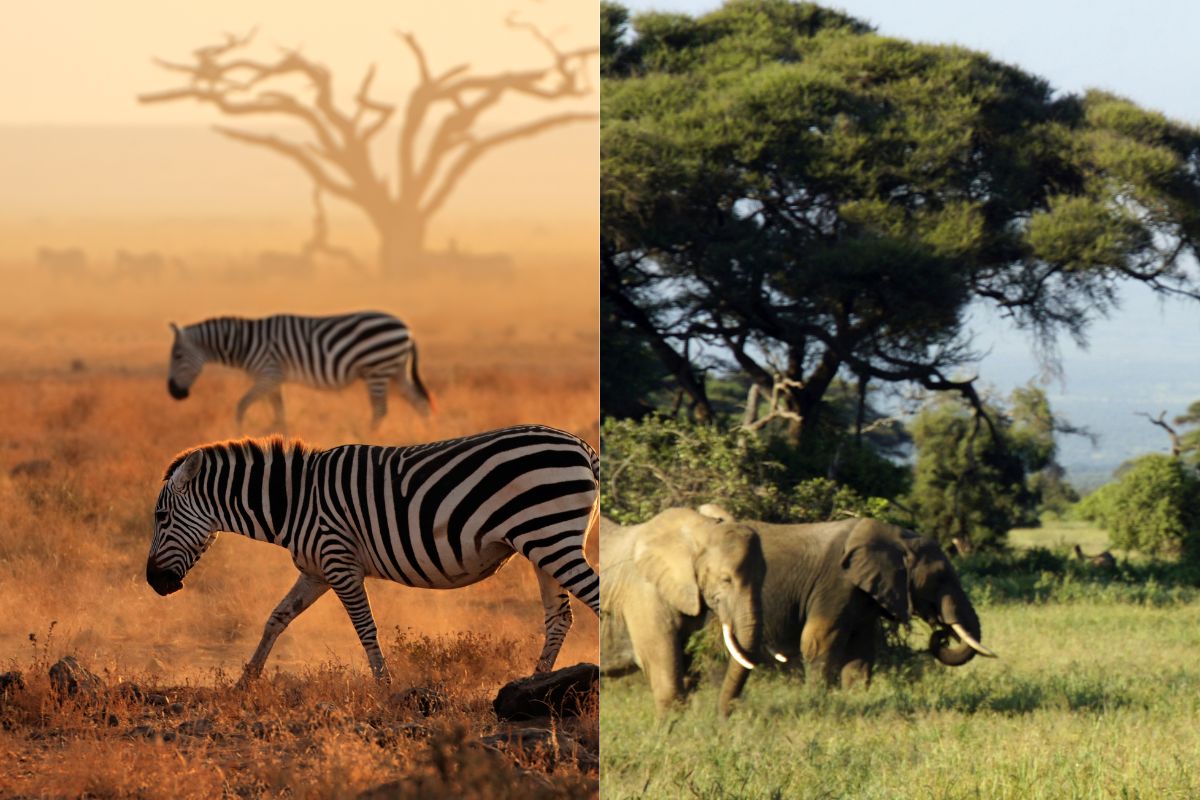
By planning your safari around the best times, parks, and itineraries, you increase your chances of seeing Kenya’s iconic animals. Our safari planning tips in Kenya help you choose optimal seasons and locations, ensuring every game drive is packed with unforgettable wildlife encounters.
2. Reduce Stress and Avoid Pitfalls
Well-prepared travelers experience fewer logistical hiccups. Following safari planning tips in Kenya prevents common mistakes like poor timing, inadequate packing, or skipping professional guides. This allows you to enjoy the journey rather than worry about last-minute problems.
3. Ensure Smooth Logistics
From park entry permits to transportation and accommodations, careful planning simplifies every aspect of your safari. Our safari planning tips in Kenya provide guidance on coordinating flights, vehicle arrangements, and bookings so your days run seamlessly and efficiently.
4. Enhance Safety and Comfort
Safety is critical in the wilderness. Using safari planning tips in Kenya ensures that you follow park rules, choose experienced guides, and pack appropriately for weather and terrain. This combination protects both you and the wildlife while maximizing your enjoyment.
5. Optimize Cultural and Eco-Friendly Experiences
A well-planned safari allows you to engage meaningfully with local communities and travel responsibly. Safari planning tips in Kenya emphasize ethical cultural experiences and eco-conscious practices, helping you make a positive impact while creating enriching memories.
6. Boost Confidence and Peace of Mind
Knowing that your itinerary is carefully prepared, essentials are packed, and every activity is thoughtfully scheduled gives you peace of mind. Our safari planning tips in Kenya empower travelers to fully immerse themselves in Kenya’s wildlife, landscapes, and culture without worry.
7. Guarantee a Memorable and Rewarding Safari
Ultimately, following these tips ensures that your Kenyan safari is seamless, enriching, and unforgettable. Every game drive, cultural visit, and scenic moment is optimized, leaving you with experiences you’ll cherish for a lifetime.
Essential Documents and Permits for Safari Planning in Kenya
One of the most overlooked yet crucial safari planning tips in Kenya is preparing your travel documents well in advance. Proper documentation ensures smooth entry, hassle-free park access, and uninterrupted exploration throughout your journey. Even the most exciting safari itinerary can be disrupted without the right paperwork, making this one of the most important steps for travelers heading to Kenya. Here are the key documents and permits to prepare before starting your safari planning in Kenya:
1. Passport and Visa
Your passport is the first gateway to your safari adventure. Ensure it remains valid for at least six months beyond your planned departure date. Most visitors to Kenya require a visa, which can easily be obtained online through Kenya’s eVisa platform.

-
Our safari planning tips in Kenya recommend applying for your visa at least two weeks before your trip to avoid delays.
-
Double-check that the personal details on your visa match those on your passport.
-
Print a copy of your eVisa approval to present at immigration upon arrival.
Having your passport and visa sorted early gives you peace of mind and ensures a smooth start to your journey.
2. Park Entry Permits
Every national park, game reserve, and conservancy in Kenya requires an entry permit or park fee. These are often payable through Kenya Wildlife Service (KWS) systems, the eCitizen portal, or at park gates.
-
Booking your permits in advance guarantees entry, especially during peak travel months.
-
Following our safari planning tips in Kenya, we recommend confirming your park fees at the same time you finalize your accommodations.
-
Keep receipts or digital confirmations accessible to present at checkpoints.
By securing your park entry permits early, you avoid long queues and ensure uninterrupted access to Kenya’s most iconic safari destinations.
3. Travel Insurance
Travel insurance may not seem exciting, but it’s one of the most valuable safari planning tips in Kenya. It safeguards your investment and provides protection against unforeseen circumstances such as medical emergencies, lost luggage, or trip cancellations.
-
Choose a plan that includes coverage for adventure travel, wildlife viewing, and medical evacuation.
-
Review the fine print carefully to ensure coverage extends to remote safari areas.
-
Carry both a digital and printed copy of your insurance policy while traveling.
Having reliable insurance lets you explore confidently, knowing you’re protected wherever your safari leads.
4. Health Documentation
Health documentation is another crucial element in successful safari planning in Kenya. Many regions require proof of vaccination against yellow fever, especially if you’re arriving from or transiting through endemic countries.
-
Consult your healthcare provider about recommended vaccinations and malaria prevention.
-
Carry a copy of your yellow fever certificate and any relevant medical notes in your travel wallet.
-
Pack basic health essentials such as prescription medications, insect repellent, and sunscreen.
Having these documents ready before your journey not only streamlines your travel experience but also enhances your confidence throughout your safari. Each document represents preparedness — a vital trait for any successful traveler.
Cultural Experiences to Include in Your Safari Planning in Kenya
No safari in Kenya is truly complete without connecting with the vibrant local cultures that make the country so special. Our safari planning tips in Kenya emphasize that beyond the wildlife and landscapes, the human experience adds depth, authenticity, and meaning to your journey. Incorporating cultural experiences allows travelers to appreciate Kenya not just as a destination, but as a living, breathing heritage shaped by its people, traditions, and stories. Here are the top cultural experiences to include in your safari planning in Kenya:
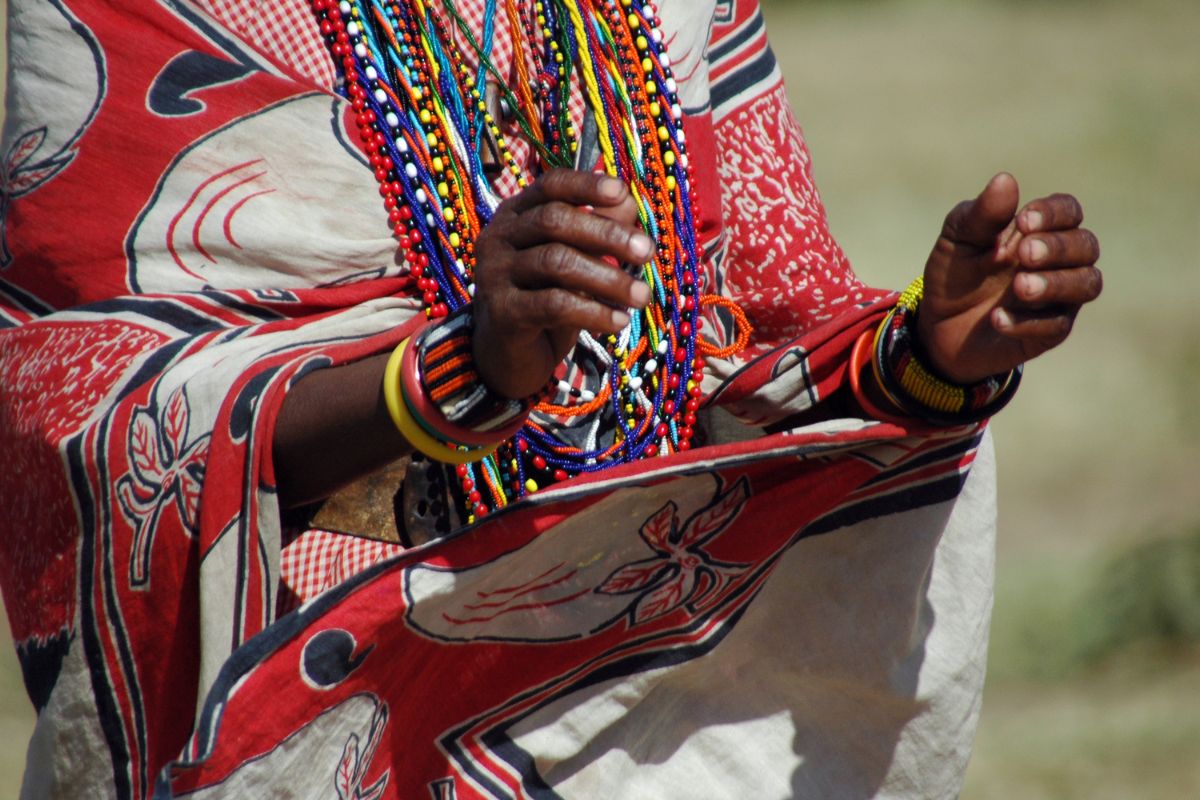
1. Visit Maasai Villages
A visit to a Maasai village offers one of the most memorable experiences in Kenya. Known for their colorful attire, traditional dances, and pastoral way of life, the Maasai people give visitors a window into an ancient culture that still thrives today.
-
Our safari planning tips in Kenya recommend booking guided village visits through reputable operators who ensure authenticity and mutual respect.
-
Learn about traditional Maasai crafts, warrior ceremonies, and community values centered on cattle, family, and the land.
-
Purchasing handmade jewelry or beadwork directly from artisans supports local livelihoods while giving you a meaningful souvenir.
Engaging with the Maasai gives travelers a profound appreciation for Kenya’s cultural resilience and diversity.
2. Support Local Community Projects
Responsible travel means giving back to the communities that make your safari possible. Our safari planning tips in Kenya encourage visitors to participate in community-driven projects that empower locals and promote sustainable development.
-
Visit women’s cooperatives, schools, or conservation programs that align with your interests.
-
Contribute time, donations, or simply awareness to initiatives that uplift rural communities.
-
Choose safari lodges that employ and train local staff, reinforcing the link between tourism and community growth.
By supporting these projects, you not only enhance your safari experience but also help preserve the cultural and environmental heritage that defines Kenya.
3. Dress Modestly and Seek Permission Before Photos
Cultural sensitivity is key to responsible travel. Following our safari planning tips in Kenya, it’s important to understand that modest dressing and respect for personal boundaries show appreciation for local customs.
-
Opt for loose-fitting clothing that covers shoulders and knees, especially in villages or towns.
-
Always ask before taking photos of people — it’s a gesture of courtesy that fosters mutual respect.
-
Some communities may decline photos during ceremonies, so being mindful ensures positive interactions.
Respectful engagement strengthens cross-cultural understanding and ensures your presence is welcomed wherever you go.
4. Participate in Ethical Cultural Activities
Our safari planning tips in Kenya highlight the importance of choosing cultural experiences that are ethical, community-led, and environmentally friendly.
-
Avoid performances or attractions that exploit people, animals, or traditions for entertainment.
-
Instead, seek genuine interactions — such as storytelling evenings, cooking sessions, or cultural walks led by local guides.
-
These experiences create authentic memories while promoting Kenya’s cultural integrity.
Ethical engagement not only enriches your safari but also ensures that tourism remains a positive force for both travelers and host communities.
Immersing yourself in Kenya’s cultural heartbeat transforms your safari from a simple sightseeing trip into a meaningful connection with its people. These cultural encounters embody the essence of responsible travel and align perfectly with the best safari planning tips in Kenya — combining adventure, respect, and impact in one unforgettable journey.
Eco-Friendly Safari Planning Tips in Kenya
Sustainable travel is no longer optional — it’s a responsibility. Our safari planning tips in Kenya emphasize that every traveler has a role to play in preserving the country’s incredible biodiversity and natural beauty for future generations. An eco-friendly approach not only safeguards wildlife and habitats but also ensures that your journey leaves a positive footprint on the environment and local communities. Here’s how to incorporate eco-conscious habits into your safari planning in Kenya:
1. Avoid Littering
One of the simplest yet most impactful safari planning tips in Kenya is to keep the environment clean. Litter, especially plastic waste, poses a serious threat to wildlife and natural habitats.
-
Always carry a reusable trash bag in your vehicle and dispose of waste properly once back at camp.
-
Avoid throwing items out of safari vehicles — even biodegradable waste can disrupt the ecosystem.
-
Follow the “leave no trace” rule: if you brought it with you, take it back.
By maintaining cleanliness, you contribute directly to preserving Kenya’s pristine wilderness for other travelers and wildlife alike.
2. Choose Eco-Lodges and Sustainable Operators
Selecting where you stay and who you travel with plays a huge role in responsible tourism. Our safari planning tips in Kenya recommend partnering with lodges and tour operators committed to sustainability.
-
Look for accommodations powered by solar energy, using water recycling systems, and minimizing waste.
-
Support tour companies that employ local guides, source food locally, and invest in conservation initiatives.
-
Verify certifications or eco-awards to ensure your choices align with green tourism principles.
Choosing eco-friendly operators doesn’t mean sacrificing comfort — it means enjoying your safari with the confidence that your stay supports both nature and community welfare.
3. Minimize Plastic Usage
Plastic pollution remains one of the biggest environmental challenges in Kenya. Following our safari planning tips in Kenya, travelers are encouraged to drastically reduce plastic dependency during their journey.
-
Carry reusable water bottles and refill them at safe water stations instead of buying disposable ones.
-
Avoid plastic straws, bags, and single-use containers — many parks and lodges already ban them.
-
Opt for biodegradable toiletries and packaging to lessen your impact.
Small actions like these create a massive ripple effect when practiced collectively by eco-conscious travelers.
4. Respect Wildlife and Habitats
True eco-friendly safari planning in Kenya goes beyond avoiding waste — it’s also about respecting the living beings that make the experience magical.
-
Maintain a safe distance from animals and never attempt to touch or feed them.
-
Stay on designated paths and avoid disturbing vegetation or nesting sites.
-
Our safari planning tips in Kenya also recommend choosing guides who follow ethical wildlife viewing practices.
Respecting wildlife ensures your adventure remains authentic while supporting Kenya’s long-term conservation goals.
Eco-friendly safaris don’t require grand gestures — just thoughtful, consistent decisions. Every reusable bottle, ethical lodge choice, and act of respect contributes to the health of Kenya’s ecosystems. When travelers follow these safari planning tips in Kenya, they become part of a global movement to protect one of the world’s most spectacular destinations.
Common Mistakes to Avoid During Safari Planning in Kenya
Even the most enthusiastic travelers can make mistakes that disrupt their safari experience. Our safari planning tips in Kenya emphasize that knowing what not to do is just as important as following best practices. Small oversights can lead to missed wildlife sightings, logistical challenges, or unnecessary stress, which is why careful preparation is one of the most important safari planning tips in Kenya. By understanding these common pitfalls, you can ensure your journey is smooth, safe, and truly memorable.
1. Overpacking or Underpacking
Packing is one of the key areas where travelers often go wrong. Overpacking can make transport cumbersome, clutter your safari vehicle, and add unnecessary stress during lodge transfers. On the other hand, underpacking leaves you unprepared for changing weather, long game drives, and essential activities. Following our safari planning tips in Kenya, it is best to pack light but strategically. Focus on neutral, versatile clothing, comfortable shoes, sun protection, binoculars, cameras, and power banks. Proper preparation ensures that your safari is comfortable and allows you to fully enjoy Kenya’s wildlife and landscapes.
2. Poor Timing During Peak Seasons
Timing can make or break a safari experience, which is why it ranks high among safari planning tips in Kenya. Many travelers book during peak seasons without considering crowd levels, wildlife activity, or costs. The dry season, from June to October, provides excellent wildlife visibility but comes with higher prices and busier parks. The green season, from March to May, offers fewer tourists, lush landscapes, and vibrant photography opportunities, though wildlife may be more dispersed. Our safari planning tips in Kenya encourage travelers to align their visit with their specific goals, whether it’s witnessing the Great Migration, enjoying solitude, or capturing scenic photography. Good timing ensures maximum wildlife sightings and overall satisfaction.
3. Skipping Professional Guides
Attempting a safari without a professional guide can greatly reduce your experience. Expert guides are central to an enriching journey because they understand wildlife behavior, park ecosystems, and the safest ways to navigate remote areas. They handle logistics, permits, and transportation, freeing you to focus on observation and enjoyment. Following safari planning tips in Kenya, working with a certified guide ensures that your trip is safe, educational, and immersive. A knowledgeable guide transforms a simple wildlife excursion into a comprehensive safari experience, adding context, insight, and unforgettable memories.
4. Ignoring Safety Guidelines
Safety is a cornerstone of any successful safari, which is why it is highlighted in our safari planning tips in Kenya. Ignoring park rules or a guide’s instructions can put both travelers and wildlife at risk. Always remain in your vehicle during game drives, avoid loud noises or sudden movements, and maintain a safe distance from animals. By adhering to these safety principles, you protect yourself, respect wildlife, and preserve the integrity of Kenya’s parks. Safety-conscious travelers consistently enjoy more rewarding and worry-free safari experiences.
Avoiding these common mistakes is one of the most important lessons from our safari planning tips in Kenya. Each misstep avoided allows you to focus on what matters most: seeing wildlife, experiencing nature, and creating lasting memories. By following these practical tips, travelers can ensure a seamless, enjoyable, and safe safari that fully captures the magic of Kenya.
Pro Tip: Review your itinerary, confirm permits and bookings, and consult your guide before departure. This extra step reflects advanced safari planning tips in Kenya and ensures your journey is free of unnecessary disruptions.
Frequently Asked Questions About Safari Planning in Kenya
Planning a safari can raise many questions for travelers seeking the perfect mix of adventure, comfort, and safety. Our safari planning tips in Kenya are designed to answer the most common concerns and help you make informed decisions for a memorable experience.
1. What is the best time to visit Kenya for a safari to maximize wildlife sightings?
The best time to visit depends on your goals. The dry season, from June to October, is ideal for spotting the Big Five and following predictable wildlife patterns. For lush landscapes and fewer crowds, the wet season (March to May) provides unique photographic opportunities. Our safari planning tips in Kenya emphasize aligning your travel dates with your desired experiences, such as witnessing the Great Migration in the Maasai Mara.
2. How do I choose the right national park or reserve for my safari in Kenya based on my interests?
Kenya offers a variety of safari destinations. If you want the classic savannah experience and Big Five sightings, the Maasai Mara is unmatched. Amboseli is known for elephant herds with Mount Kilimanjaro as a backdrop, while Samburu offers rare species like Grevy’s zebra. Lake Naivasha is perfect for birdwatching and boat safaris. Following safari planning tips in Kenya, selecting a park based on your wildlife and scenery interests ensures a more enjoyable experience.
3. What types of safari experiences are offered in Kenya, and how do I decide what’s right for me?
Kenya caters to all preferences. Guided group safaris are social and cost-effective, private safaris offer personalized itineraries, luxury lodges provide comfort, and budget camping safaris deliver adventure. Our safari planning tips in Kenya recommend matching your choice to your comfort level, travel style, and desired level of immersion in wildlife and nature.
4. How much should I budget for a safari in Kenya, considering accommodation, park fees, transport, and activities?
Budgeting is crucial. Costs vary depending on the type of safari, lodges, transportation, and included activities. Park fees, accommodations, private guides, domestic flights, meals, and tips should all be considered. One of the key safari planning tips in Kenya is to set a realistic budget early to avoid surprises and ensure you enjoy every aspect of your trip.
5. What documents and permits do I need before going on safari in Kenya?
Travelers must prepare a valid passport, a Kenya visa, park entry permits, travel insurance, and relevant health documentation. Our safari planning tips in Kenya stress having all documents ready before departure to ensure smooth immigration, park access, and compliance with health requirements. Keeping digital and hard copies is recommended for convenience and safety.
6. What vaccinations, health precautions, and medical preparations should I make before a Kenyan safari?
Consult a doctor to confirm vaccinations, such as yellow fever if required, and discuss malaria prophylaxis. Staying hydrated, carrying a basic first-aid kit, using insect repellent, and applying sun protection are essential practices. Following these safari planning tips in Kenya ensures you remain healthy, safe, and able to enjoy every part of your adventure.
7. How do I select an experienced safari guide in Kenya, and why is this so important?
A knowledgeable guide enhances every safari. They spot wildlife, explain ecosystems, provide cultural insights, and ensure safety in remote areas. One of the most emphasized safari planning tips in Kenya is hiring certified guides who understand both conservation ethics and the best wildlife tracking techniques, guaranteeing a safe, educational, and immersive experience.
8. What gear and electronics should I pack for a Kenyan safari to ensure I capture memorable moments?
Essential items include cameras with telephoto lenses, binoculars, drones (if permitted), power banks, and waterproof cases. Neutral clothing, hats, sunglasses, and comfortable shoes are equally important. Our safari planning tips in Kenya highlight preparing thoughtfully so you can capture high-quality photos and videos without compromising comfort or safety.
9. How do I plan a daily itinerary in Kenya to balance game drives, rest time, and cultural experiences?
A well-structured itinerary balances adventure and relaxation. Combine multiple parks for varied experiences, schedule photography during golden hours, allocate rest periods, and leave room for spontaneous activities. According to safari planning tips in Kenya, thoughtful planning ensures you enjoy every day without feeling rushed or exhausted.
10. What eco-friendly practices should I adopt on a safari in Kenya to travel responsibly?
Travelers can reduce their footprint by avoiding litter, minimizing plastic, choosing eco-lodges, supporting sustainable operators, and respecting wildlife and habitats. Following these safari planning tips in Kenya allows you to enjoy nature responsibly while protecting the environment and supporting local communities.
11. What are the common mistakes people make when planning safaris in Kenya, and how can I avoid them?
Common mistakes include overpacking or underpacking, poor timing during peak seasons, skipping professional guides, and ignoring safety guidelines. By paying attention to these pitfalls, travelers can follow safari planning tips in Kenya to enjoy smoother, safer, and more rewarding experiences. Proper preparation is the key to avoiding stress and maximizing enjoyment.
12. Can I include cultural or community experiences in my Kenya safari, and how should I approach them respectfully?
Yes — cultural engagement is highly recommended. Visiting Maasai villages, supporting local projects, participating in ethical activities, and dressing modestly with permission for photos are essential considerations. Safari planning tips in Kenya encourage travelers to interact respectfully with communities, creating meaningful experiences while preserving local traditions.
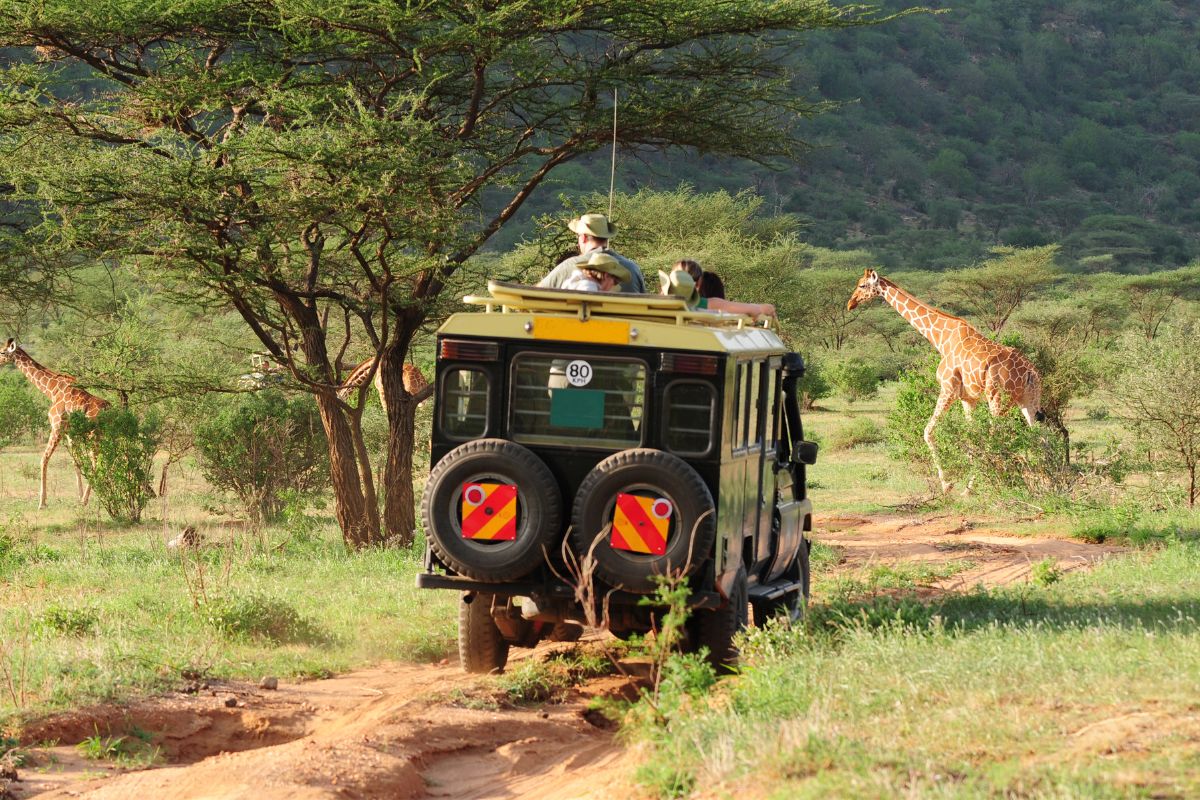
Book Your Dream Safari in Kenya with Leann Fun Tours and Safaris – Turn These Planning Tips into Unforgettable Adventures
Don’t wait to turn your safari dreams into reality! Using our expert safari planning tips in Kenya, you can experience Kenya’s wildlife, landscapes, and culture like never before. Book your unforgettable adventure today with Leann Fun Tours and Safaris and secure your preferred accommodations, expert guides, and tailored itineraries. Every moment counts — start planning now and make your Kenyan safari a memory that will last a lifetime!