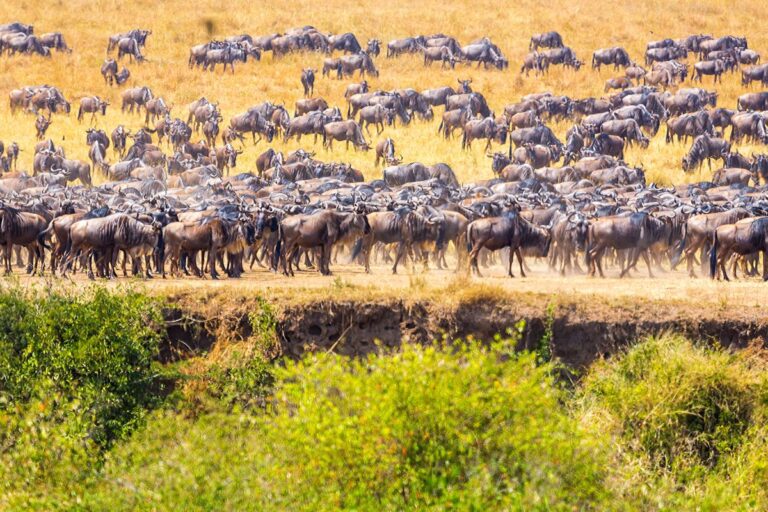
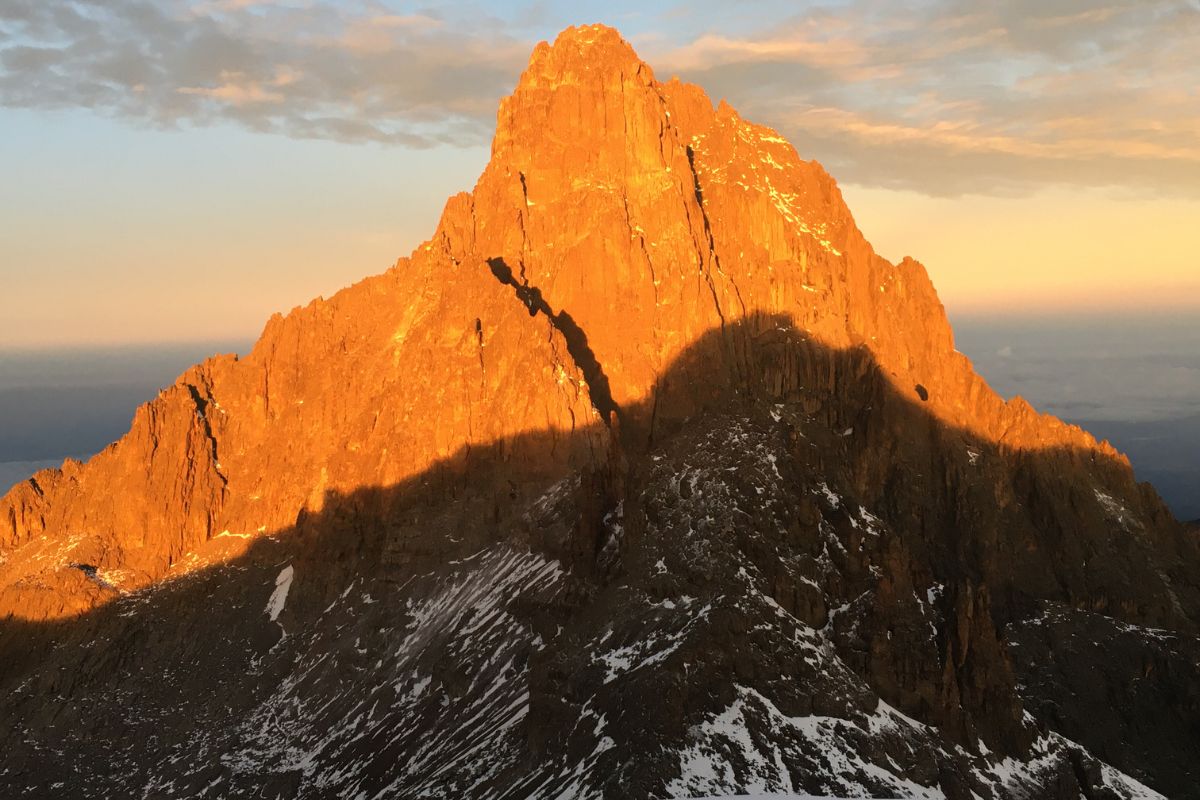
When Is the Best Time to Visit Kenya for Safari
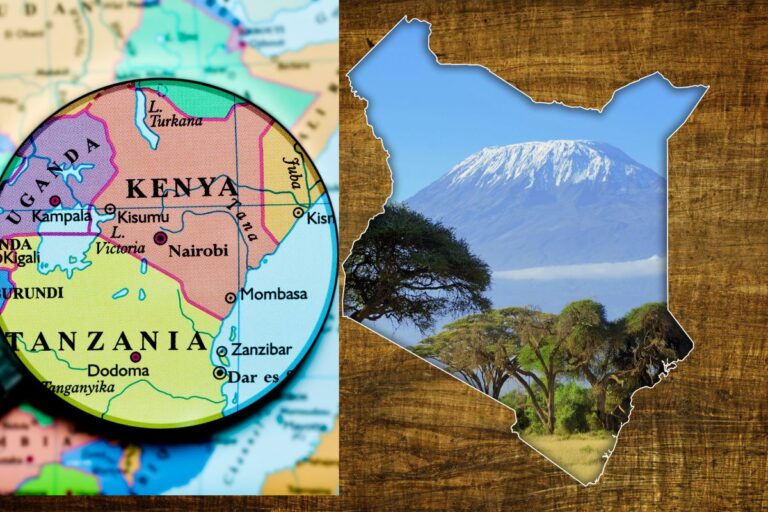
Planning your African adventure? Knowing the best time to visit Kenya for safari can make or break your experience. From thrilling game drives to the world-famous Great Migration, timing is everything when it comes to wildlife encounters. At Leann Fun Tours and Safaris, we help you choose the perfect season for unforgettable safari moments.
Why Timing Matters for Your Kenya Safari
Choosing the best time to visit Kenya for safari is more than a question of convenience—it directly affects the wildlife you’ll see, the quality of your photos, and even how much you pay. Kenya’s diverse ecosystems respond to seasonal changes, which determine animal movements, park accessibility, and guest experiences. Whether you’re after the Great Migration or quieter bush moments, aligning your trip with the right season is critical. Here are six key reasons why timing matters when planning your safari:
1. Wildlife Visibility Varies by Season
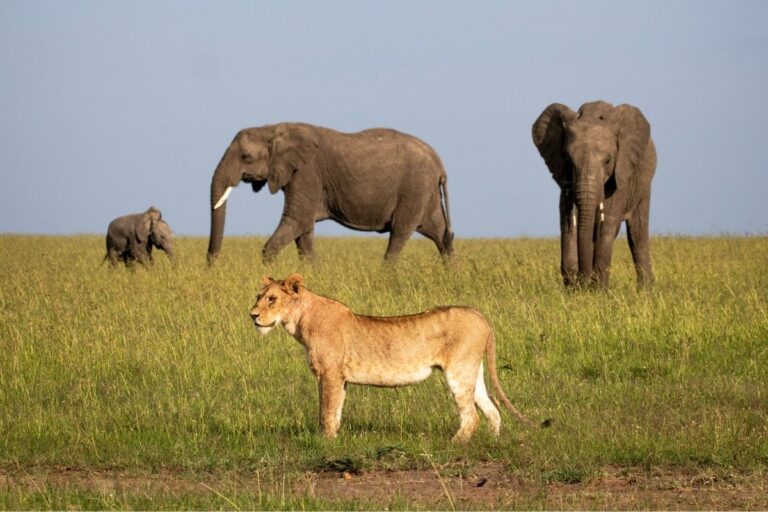
During the dry season (June to October), vegetation is sparse and animals gather around water sources, making them easier to spot. In contrast, the wet season can cause wildlife to disperse, reducing visibility.
2. The Great Migration Is Time-Sensitive
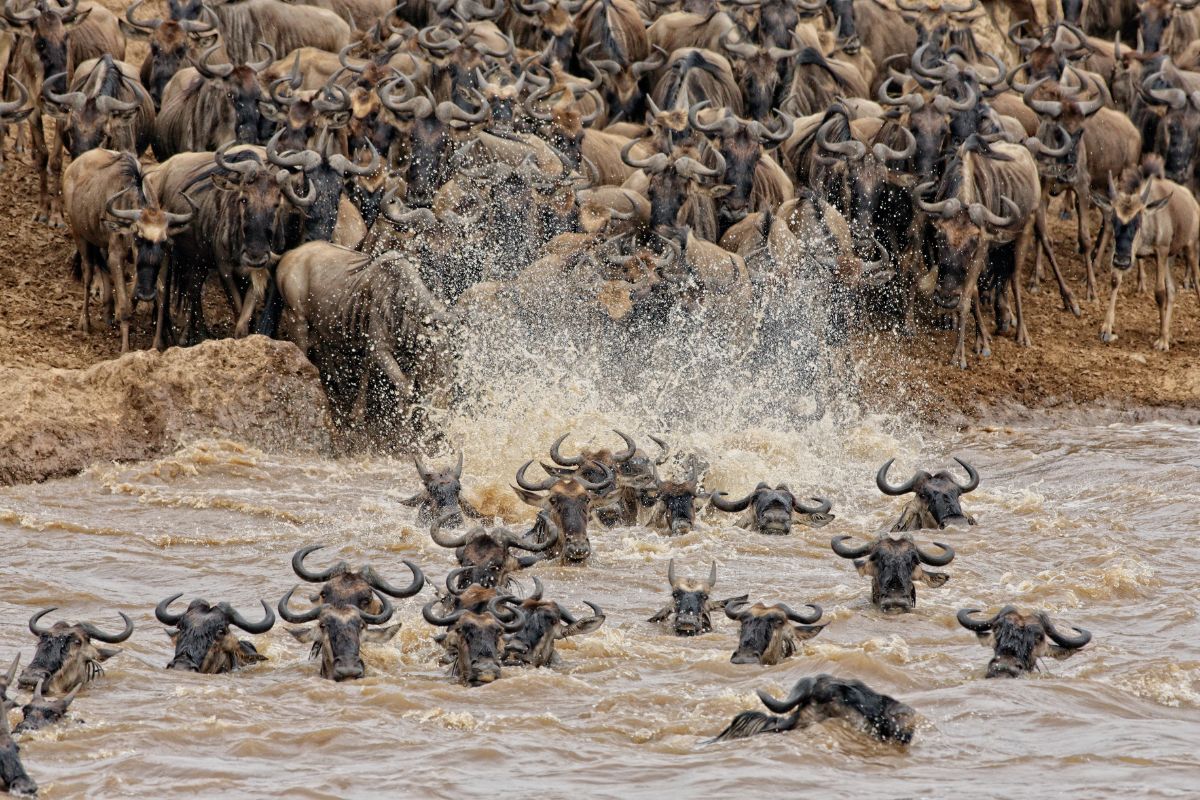
The iconic wildebeest migration in the Masai Mara peaks between July and October. Missing this window means missing one of nature’s greatest spectacles.
3. Weather Conditions Impact Comfort and Travel
Kenya’s dry months offer clearer skies, cooler nights, and less humidity—ideal for game drives and outdoor experiences. Rainy seasons may cause muddy trails, delayed transfers, and limited access to remote camps.
4. Birdwatching Peaks in the Wet Season
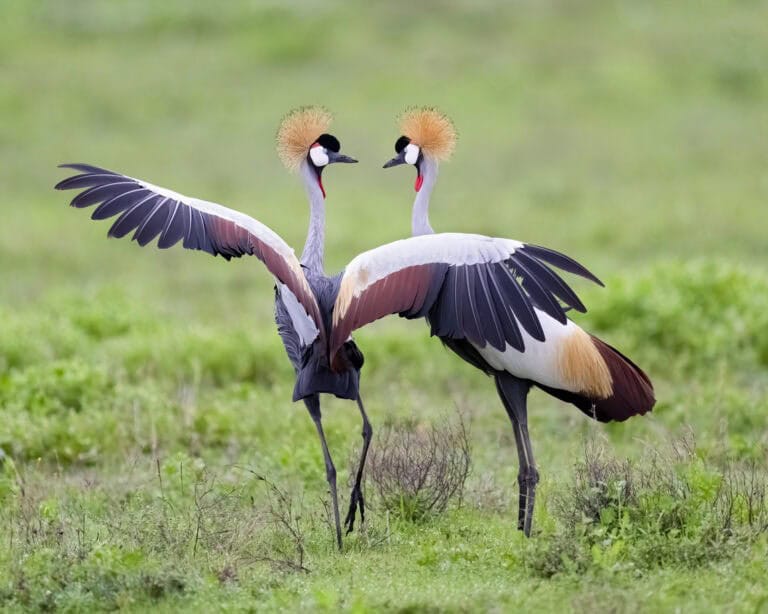
If you’re interested in birding, November to April is the best time, as migratory species arrive and breeding plumage is at its brightest. This offers a unique photographic opportunity.
5. Pricing Fluctuates with Tourist Seasons
High season (June–October, December) comes with premium pricing on lodges and tours. Traveling in shoulder or low season can save significantly on costs without compromising the experience.
6. Crowd Levels Affect Your Experience
Peak safari months attract international tourists, especially in popular parks like Masai Mara and Amboseli. For a more intimate, less congested safari, consider visiting during the shoulder months of May or November.
Overview of Kenya’s Climate and Safari Seasons
Understanding Kenya’s climate is essential to choosing the best time to visit Kenya for safari. The country straddles the equator, offering a generally warm, tropical climate—but regional variations and altitude shifts create distinct safari experiences across different months. Kenya’s safari calendar is shaped by two major seasons: the dry season and the rainy season. Each period brings unique opportunities and challenges that can influence your travel plans, wildlife sightings, and overall experience.
To help you plan effectively, below is a comprehensive breakdown of Kenya’s climate and safari seasons throughout the year:
Kenya Climate & Safari Seasons Overview
| Season | Months | Climate Characteristics | Safari Impact |
|---|---|---|---|
| Short Dry Season | January – February | Warm, dry, clear skies | Excellent game viewing, good for birding (migratory birds) |
| Long Rains | March – May | Heavy rainfall, especially in April and May | Fewer tourists, muddy roads, but lush scenery and lower rates |
| Long Dry Season | June – October | Cool, dry, minimal rainfall | Peak safari season; Great Migration in Masai Mara |
| Short Rains | November – December | Light rains, mostly in the afternoon or evening | Shoulder season; good wildlife sightings, fewer crowds |
Key Climate Zones to Consider
-
Coastal Kenya (e.g., Diani, Mombasa): Hot and humid year-round, with peak rains in April–June.
-
Central Highlands (e.g., Nairobi, Mt. Kenya): Cooler due to elevation; dry months are crisp and ideal for travel.
-
Northern Kenya (e.g., Samburu, Laikipia): Drier and hotter; best visited during the long dry season.
-
Rift Valley and Maasai Mara: Classic savannah climate; most dramatic wildlife action occurs from July to October.
Expert Tip from Leann Fun Tours and Safaris:
If you’re looking to combine optimal weather, top wildlife viewing, and fewer crowds, consider traveling in the shoulder months—late June or November. You’ll benefit from excellent conditions without the peak-season prices.
Dry Season vs. Wet Season: Which Is Best for Wildlife Viewing?
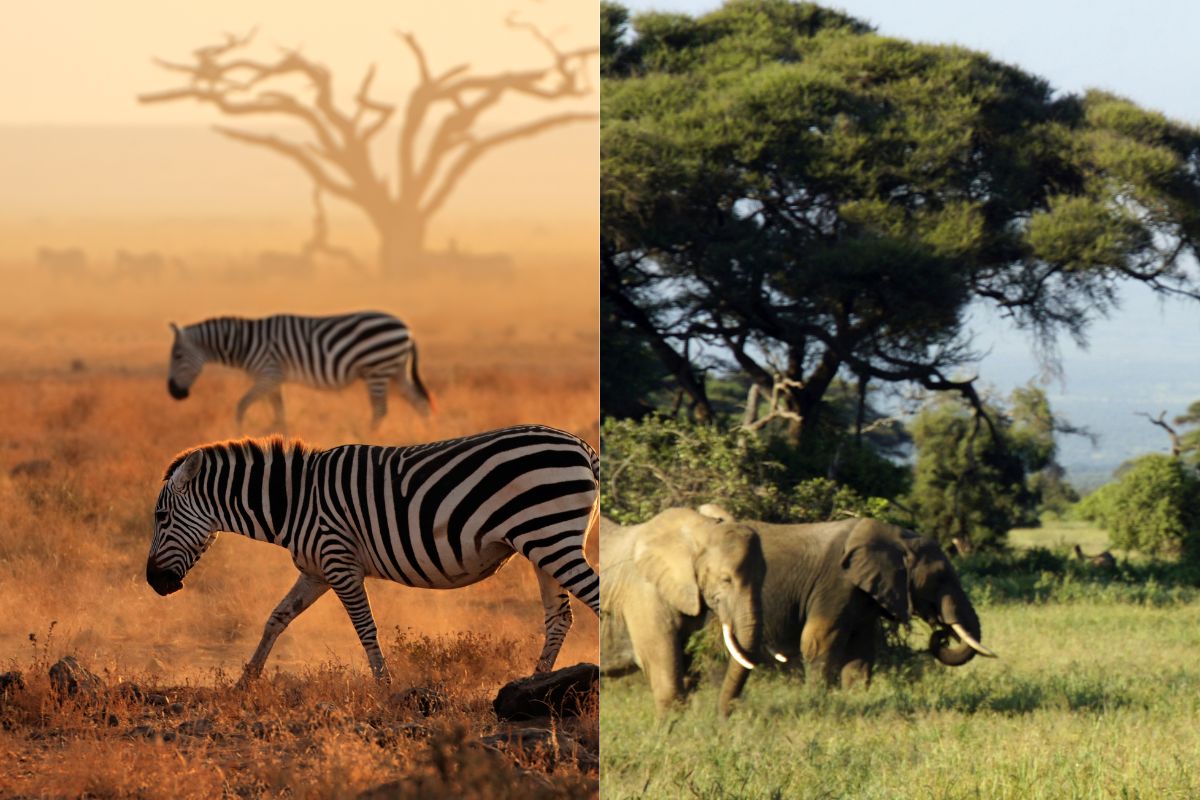
One of the most important decisions when planning your safari is choosing between Kenya’s dry and wet seasons. Each offers distinct advantages and challenges, depending on your priorities—whether you’re seeking optimal wildlife visibility, a quieter experience, or cost savings.
Dry Season (June to October & January to February)
The dry season is widely regarded as the best time to visit Kenya for safari, especially for first-time travelers. Wildlife is more concentrated around water sources due to the lack of rain, making animals easier to spot during game drives. The vegetation is also less dense, increasing visibility for photographers and nature lovers.
During these months, major parks like Masai Mara, Amboseli, Samburu, and Tsavo are at their most active. In particular, July to October marks the climax of the Great Migration in the Masai Mara—an extraordinary display of over 1.5 million wildebeest, zebras, and gazelles crossing from the Serengeti.
Other benefits of the dry season include:
-
Lower risk of travel disruptions caused by muddy or impassable roads
-
More comfortable game drives under clear, sunny skies
-
High chances of spotting predators near waterholes
However, this is also peak tourist season, meaning higher accommodation rates and busier parks.
Wet Season (March to May & November to December)
The wet season in Kenya occurs in two phases: the long rains (March to May) and the short rains (November to December). While many travelers avoid this period due to the unpredictable showers and muddy conditions, the wet season has its own appeal—particularly for seasoned safari-goers, photographers, and birdwatchers.
During the rains, the landscapes transform into lush, green plains that offer a striking contrast to the dry months. This is also birthing season for many herbivores, attracting predators and increasing the chances of witnessing hunting behavior in action.
Other advantages of traveling during the wet season:
-
Lower accommodation rates and fewer tourists in lodges and parks
-
Excellent birdwatching, with many migratory species arriving
-
Dramatic lighting and scenery for photography
That said, there are trade-offs. Some remote camps may close, road conditions can be difficult, and wildlife may be harder to spot due to thicker vegetation and dispersed movement.
If your goal is maximum wildlife viewing with minimal effort, the dry season is ideal. However, if you prefer a quieter, more budget-friendly, and photographically rich safari, the wet season offers unique advantages.
For a tailored experience, Leann Fun Tours and Safaris can help you choose the optimal season based on your travel goals, destinations, and preferred level of comfort.
Kenya Safari Season Comparison Table
| Feature | Dry Season (Jun–Oct, Jan–Feb) | Wet Season (Mar–May, Nov–Dec) |
|---|---|---|
| Wildlife Visibility | Excellent – animals congregate near water | Moderate – wildlife more dispersed |
| Weather Conditions | Dry, cool, clear skies | Wet, humid, possible road challenges |
| Photography Opportunities | Good lighting, clear views | Lush scenery, dramatic skies |
| Birdwatching | Moderate | Excellent – migratory species present |
| Tourist Crowds | High – peak travel season | Low – fewer visitors |
| Accommodation Rates | High – due to demand | Lower – seasonal discounts |
| Great Migration (Masai Mara) | Yes – July to October | No – migration occurs in dry season |
Month-by-Month Guide: Best Times to Visit Kenya
If you’re wondering when the best time to visit Kenya for safari is, this month-by-month breakdown will help you align your travel with weather patterns, wildlife movements, and key events like the Great Migration. Use the guide below to plan your trip strategically based on your priorities—whether it’s game viewing, photography, birdwatching, or crowd avoidance.
Kenya Safari Travel Guide by Month
| Month | Weather & Climate | Wildlife Activity | Safari Recommendation |
|---|---|---|---|
| January | Hot and dry | Excellent wildlife visibility; migratory birds present | Great month for general safaris and birdwatching |
| February | Dry and slightly hotter than January | High predator activity; young animals visible | Ideal for photographers and wildlife enthusiasts |
| March | Onset of long rains mid-month | Wildlife disperses; some early rains | Start of low season—mixed conditions |
| April | Peak of long rains | Lush landscapes but limited visibility | Least favorable for game viewing; best for budget travel |
| May | Rain tapers off | Green scenery; wildlife returns to visible areas | Shoulder season—quiet, scenic, and cost-effective |
| June | Dry, cool, clear skies begin | Improved visibility; herds moving toward Masai Mara | Excellent time to visit before high season crowds |
| July | Dry and cool | Start of the Great Migration in Masai Mara | One of the best times to visit Kenya for safari |
| August | Dry, peak of high season | River crossings and predator activity peak | Prime month for migration viewing—book early |
| September | Dry with warming temperatures | Continued migration; Big Five frequently seen | Top safari month for both wildlife and comfort |
| October | Dry with possible early short rains | Migration slows; still good wildlife viewing | Great for experienced travelers seeking fewer crowds |
| November | Short rains begin | Lush scenery; migratory birds arrive | Best for birdwatching and discounted rates |
| December | Warm with light afternoon rains | Active wildlife in most regions | Good safari-beach combo month during festive season |
The best time to visit Kenya for safari is typically during the dry season from June to October, especially July–September for the Great Migration. However, January–February also offers outstanding game viewing, and November–December is perfect for bird lovers and off-peak savings.
Leann Fun Tours and Safaris can help tailor your safari to match your preferred season, whether you’re chasing the Great Migration or looking for a quiet green-season escape.
Best Time to Visit the Masai Mara for the Great Migration
The Masai Mara is Kenya’s premier safari destination, and for good reason—it hosts one of the most dramatic wildlife spectacles on Earth: the Great Migration. This event sees over 1.5 million wildebeest, zebras, and gazelles crossing from Tanzania’s Serengeti into Kenya’s Masai Mara in search of fresh grazing. If you’re planning a safari around this natural phenomenon, understanding the migration timeline is essential.
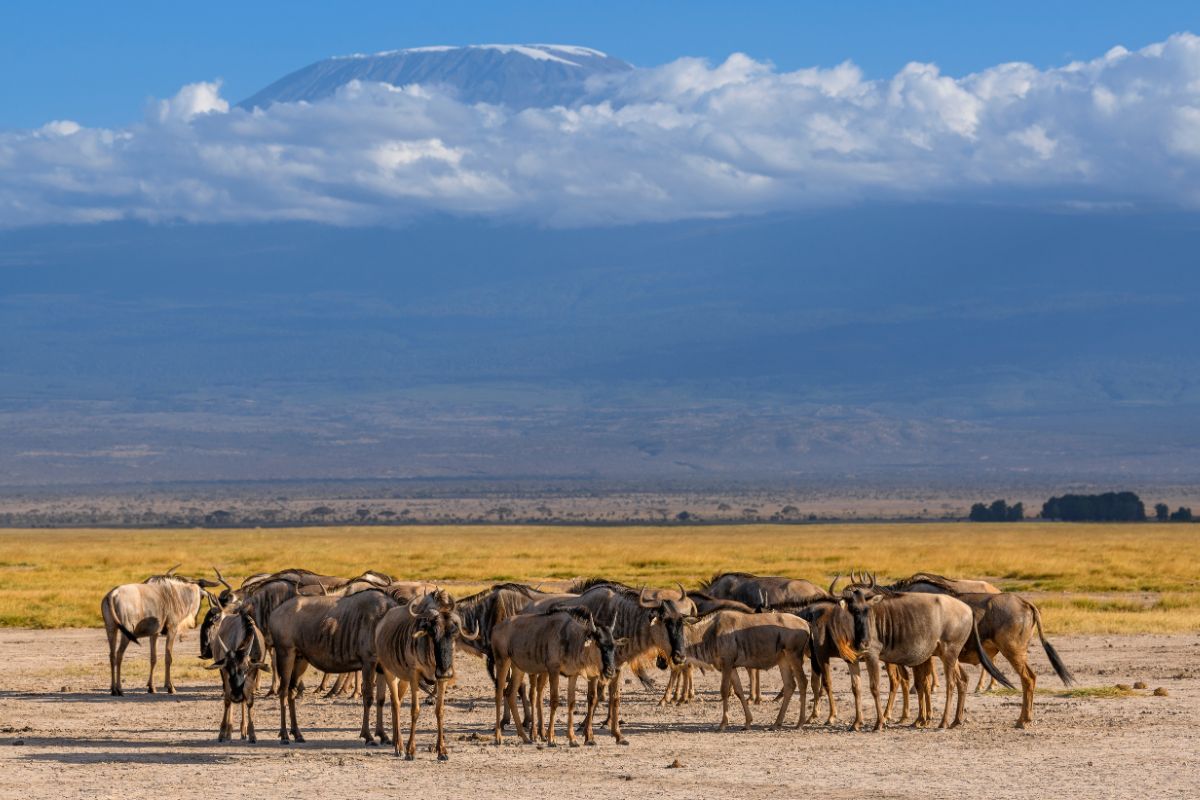
The best time to visit the Masai Mara for the Great Migration is from July to October, during the long dry season. This is when herds gather in the Mara plains and attempt the perilous Mara River crossings, often stalked by crocodiles and big cats. These months offer unbeatable game viewing, intense predator action, and high chances of witnessing dramatic scenes that define African safaris.
However, different phases of the migration bring unique advantages. Below is a breakdown to help you choose the best month based on what you want to experience.
Great Migration Timeline – Masai Mara Safari Planning
| Month | Migration Activity | Safari Highlights |
|---|---|---|
| June | Herds begin moving north from Serengeti | Early arrivals in southern Mara; great time with fewer tourists |
| July | First major herds cross into Masai Mara | Beginning of river crossings; high predator activity |
| August | Peak of the migration in the Mara | Iconic Mara River crossings; dramatic scenes and full herds |
| September | Herds graze in the Mara plains | Predator-prey interactions at their peak; best for photographers |
| October | Gradual movement back toward Serengeti | Still strong wildlife presence; reduced crowd levels |
Additional Tips for Migration Safaris:
-
Book Early: Lodges and camps near the Mara River fill up quickly during July–September. Secure your stay at least 6–9 months in advance.
-
Consider Fly-in Safaris: Roads can be long and bumpy. Flying into Mara airstrips saves time and maximizes your game-viewing opportunities.
-
Use a Trusted Operator: Leann Fun Tours and Safaris offers curated migration itineraries with expert guides who understand animal movements and behavior patterns.
If witnessing the Great Migration is your goal, the best time to visit Kenya for safari is undoubtedly July to September in the Masai Mara. This window offers not only exceptional wildlife encounters but also the quintessential safari experience that has made Kenya world-famous.
When to Visit Kenya for Birdwatching and Photography Safaris
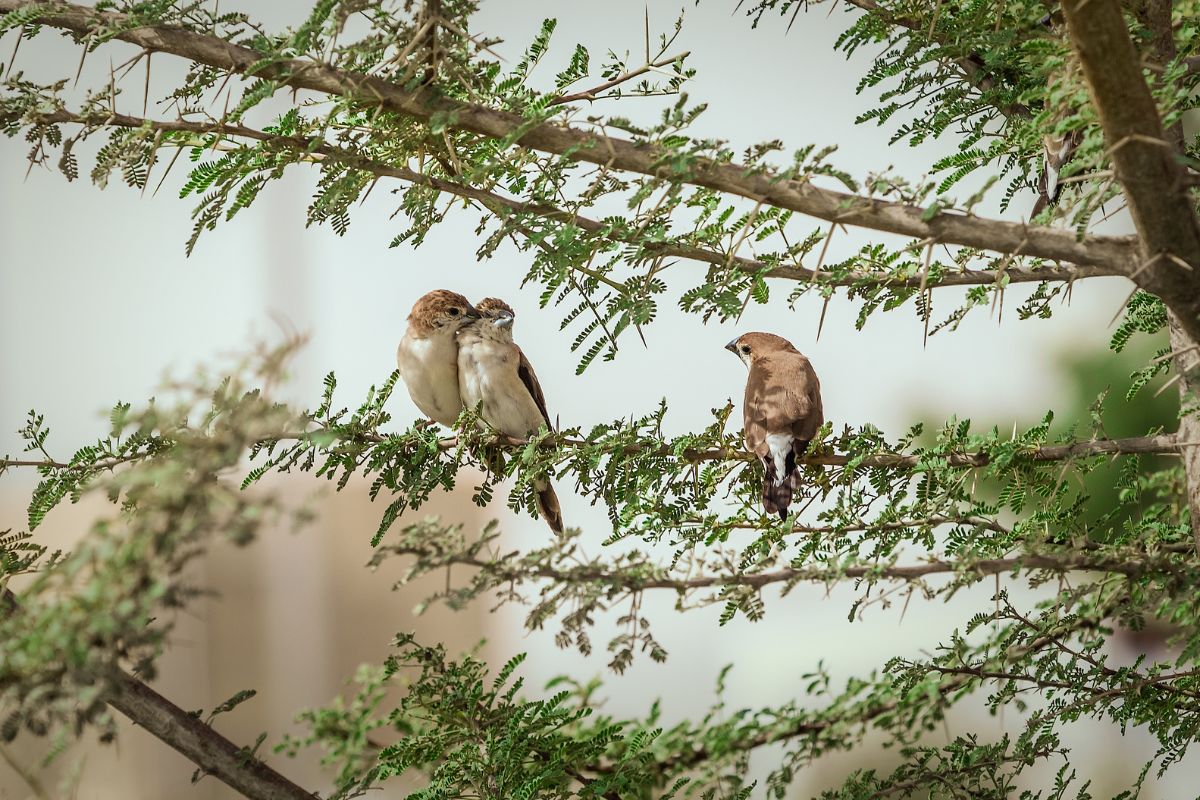
Kenya is a top-tier destination for birding and nature photography, boasting over 1,100 bird species and iconic landscapes that offer unparalleled photographic opportunities. However, your experience depends heavily on the time of year. Whether you’re hoping to capture migratory birds, endemic species, or dramatic wildlife scenes against golden savannahs, knowing when to visit Kenya for birdwatching and photography safaris is essential.
Key Seasons for Birdwatching in Kenya
Kenya’s equatorial location gives it two rainy seasons and two dry periods, each influencing bird behavior and migratory patterns.
a) November to April – Best for Migratory Birds
This period marks the arrival of Palearctic migratory species from Europe and Asia. Expect large numbers of waders, raptors, and passerines, making it a prime window for birding tours.
-
Highlight: Lake Nakuru and Lake Bogoria teem with flamingos and other waterfowl.
-
Photography Benefit: Overcast skies reduce harsh lighting, ideal for crisp bird photos.
b) June to October – Best for Resident and Breeding Birds
After the long rains, the landscape is lush, and many species are in their breeding plumage. This is ideal for spotting endemic birds and capturing courtship behavior.
-
Highlight: Kakamega Forest and the Aberdares host rare forest species during this time.
-
Photography Benefit: Clear skies and good light conditions enhance image sharpness and detail.
Best Birding Destinations in Kenya by Region
Here are Kenya’s top birding locations, each offering different photographic and observational experiences.
| Region | Key Destinations | Unique Species / Features |
|---|---|---|
| Rift Valley | Lake Nakuru, Lake Naivasha, Lake Baringo | Flamingos, fish eagles, herons, hornbills |
| Western Kenya | Kakamega Forest, Saiwa Swamp | Great blue turaco, African broadbill, Ross’s turaco |
| Central Highlands | Aberdares, Mt. Kenya | Moorland chats, sunbirds, alpine species |
| Coastal Kenya | Arabuko Sokoke, Sabaki River Mouth | Sokoke scops owl, crab plover, malachite kingfisher |
| Northern Kenya | Samburu, Buffalo Springs | Somali bee-eater, vulturine guineafowl, golden-breasted starling |
Bird Photography Tips for Kenya Safaris
a) Use a Silent Shutter Mode
Avoid startling birds—particularly smaller or skittish species—by minimizing noise.
b) Optimal Lens Range
A 400mm–600mm telephoto lens offers sufficient reach without compromising quality.
c) Best Lighting
Early mornings and late afternoons offer soft, directional light perfect for capturing feather detail and natural color.
d) Weatherproof Gear
During the rains, a waterproof camera bag and lens covers are essential.
Best Time for Wildlife Photography Beyond Birds
If you’re also interested in capturing big game photography alongside birds, here’s how the seasons affect your broader photographic opportunities:
-
June to October (Dry Season) – Best visibility of large animals at water points.
-
December to March – Calving season in the Maasai Mara, ideal for dramatic predator-prey shots.
-
April to May – Lush greenery and dramatic skies, but accessibility may be hindered by rain.
Month-by-Month Breakdown for Birdwatching & Photography
| Month | Birdwatching Quality | Photography Conditions | Notable Activity |
|---|---|---|---|
| January | Excellent (migrants) | Good light, dry conditions | Flamingos at Lake Nakuru |
| February | Excellent (migrants) | Warm and clear | Breeding plumage among local species |
| March | Very Good | Cloud buildup | Raptors begin migration |
| April | Good (wet season begins) | Overcast, vibrant greens | Forest bird activity increases |
| May | Moderate | Wet, low visibility | Good for frogmouths, nightjars |
| June | Good (post-rain) | Clear, green landscapes | Breeding season for some residents |
| July | Excellent | Excellent light conditions | Mixed flocks in highland forests |
| August | Excellent | Peak safari season | Combine with Great Migration photography |
| September | Very Good | Clear, dry | Woodland species active |
| October | Good | Start of short rains | Good mix of habitats |
| November | Excellent (migrants arrive) | Overcast, dramatic skies | Migrants like European bee-eaters arrive |
| December | Excellent (peak) | Clear mornings | Waterfowl concentrations |
When to Visit Kenya for Birdwatching and Photography Safaris: Final Recommendation
If your focus is on migratory species, vivid plumage, and diverse sightings, aim for November through April. If you’re after clean light conditions and a mix of birds with classic wildlife photography, July through October is unmatched. Either way, the country’s ecological diversity offers year-round opportunities for serious birders and photographers.
Comparison Table: Best Months by Goal
| Objective | Ideal Months | Notes |
|---|---|---|
| Migratory Bird Sightings | November – April | Palearctic and intra-African migrants in abundance |
| Forest Bird Photography | April – July | Increased activity post-rains |
| Big Game + Bird Safari Combo | July – October | Excellent lighting, multiple species in dry habitats |
| Rare Species Spotting | March – May | Kakamega, Arabuko, and Aberdares highly productive |
| Photography with Dramatic Skies | November, April | Rain clouds add mood and depth to landscape photos |
Beach and Safari Combo: Ideal Months for Both Experiences
Combining Kenya’s iconic safari adventure with its pristine coastal retreats is a dream itinerary for many travelers. To maximize both wildlife sightings and beach relaxation, strategic timing is essential. The best time to visit Kenya for safari and beach holidays hinges on weather patterns, wildlife activity, and ocean conditions.
Below is a table summarizing the optimal months for a seamless bush-and-beach experience:
| Month | Safari Highlights (Masai Mara, Amboseli, Tsavo) | Beach Conditions (Diani, Watamu, Malindi) | Verdict – Combo Experience |
|---|---|---|---|
| January | Dry season, good wildlife visibility | Sunny, warm, minimal rainfall | Excellent for both; fewer crowds |
| February | Peak dry season, clear views, wildlife near waterholes | Clear skies, calm seas, ideal for snorkeling | Prime month for full safari-beach balance |
| March | Start of long rains, wildlife still visible | Humid, possibility of early coastal showers | Mixed—beach less ideal; safari still possible |
| April | Long rains, muddy roads, low visibility | Rainy coastlines, rough seas | Poor month for combined travel |
| May | Continued rains, off-peak for safari | Wet weather at the coast | Best avoided for this combo |
| June | Dry season resumes, green landscapes | Improving beach conditions | Good for both, especially toward month-end |
| July | Great Migration begins, cool and dry | Dry, cool breeze, great for beach lounging | Excellent for adventure and relaxation combo |
| August | Peak of the Great Migration, superb game viewing | Calm, dry, vibrant beach atmosphere | One of the best months overall |
| September | Migration still ongoing, crisp weather | Coastal charm at its peak | Balanced and scenic experiences all round |
| October | Wildlife sightings continue, fewer tourists | Warm beach days, ideal for watersports | Still great for both; fewer crowds |
| November | Short rains begin, unpredictable safari conditions | Beaches still pleasant though slightly humid | Possible but not optimal |
| December | Festive season, short dry spell begins | Warm, festive, beautiful coastal ambiance | Popular for holiday travel and combos |
Plan Your Ultimate Safari and Beach Escape
For travelers seeking the best time to visit Kenya for safari and beach holidays, the months of July through September consistently deliver unmatched experiences. You’ll witness iconic wildlife moments in the Masai Mara and unwind along the Indian Ocean’s powder-white beaches. Whether you’re planning a romantic getaway, a family holiday, or a bucket-list solo trip, timing your itinerary around these ideal months ensures maximum value, comfort, and adventure.
Ready to plan your dream bush-to-beach holiday? Contact Leann Fun Tours & Safaris for tailor-made itineraries and expert local guidance.
High Season vs. Low Season: What to Expect in Each
When planning your African adventure, understanding the difference between the high and low seasons in Kenya is crucial. The best time to visit Kenya for safari often coincides with the high season, but there are also strategic advantages to traveling during the low season. Each period offers unique experiences, and your final decision should align with your budget, travel goals, and tolerance for crowds or weather variability.
Understanding Kenya’s Safari Seasons
Kenya generally experiences two major tourism seasons:
-
High Season: June to October, and mid-December to early March
-
Low Season: March to May, and November
These seasons are primarily influenced by weather patterns, wildlife movements, and global holiday calendars.
The High Season in Kenya: Prime Safari Window
Why It’s Considered the Best Time to Visit Kenya for Safari
The dry months—especially June through October—are widely recognized as the best time to visit Kenya for safari. During this period, vegetation is sparse, making it easier to spot wildlife. Animals tend to gather around permanent water sources, which enhances your chances of seeing large herds and predators in action. Moreover, the skies are clear, the roads are dry, and the parks are accessible.
This season also aligns with the world-famous Great Migration, especially in the Maasai Mara, where millions of wildebeests, zebras, and gazelles thunder across the plains. Witnessing river crossings and predator interactions in real time makes this a once-in-a-lifetime spectacle for many travelers.
Key Benefits of Traveling in the High Season
-
Unmatched wildlife visibility: Fewer bushes and more animal gatherings around waterholes
-
Perfect photography conditions: Crisp lighting and dry terrain
-
Greater choice in luxury lodges and guided tours
-
The Great Migration peak in Maasai Mara (July–September)
Because of these benefits, this is undeniably the best time to visit Kenya for safari if your goal is to enjoy optimal game viewing, excellent weather, and iconic experiences.
Considerations for High Season Travel
While the advantages are clear, there are several trade-offs:
-
Higher prices: Park fees, lodging, and transport rates increase due to demand
-
Crowded game parks: Particularly in the Mara and Amboseli
-
Early bookings required: Popular lodges and camps are often fully booked months in advance
For travelers seeking exclusivity and tranquility, this surge in visitor numbers may affect the overall experience. However, with the right itinerary planning, these challenges can be mitigated.
The Low Season in Kenya: A Hidden Gem for the Right Traveler
Why the Low Season Is Still a Great Time for Safari
Contrary to popular belief, the low season is not synonymous with poor safari experiences. For savvy and budget-conscious travelers, this season can be rewarding. While it falls outside the widely accepted best time to visit Kenya for safari, it offers a quieter, more relaxed alternative with notable advantages.
Low season typically occurs during the long rains (March to May) and the short rains (November). During these months, the landscapes are lush and green, newborn animals are abundant, and birdwatching reaches its peak.
Key Advantages of Traveling in the Low Season
-
Fewer tourists: Enjoy parks and reserves with minimal crowds
-
Lower rates: Reduced pricing on accommodation, safaris, and park entry fees
-
Vibrant scenery: Green backdrops, blooming flora, and dramatic skies
-
Birding paradise: Best time to view migratory species and colorful residents
While you might experience occasional rain, it is usually in short bursts and doesn’t ruin entire days. With appropriate planning and gear, many visitors find this a refreshingly serene time to explore Kenya’s wilderness.
Challenges to Consider During Low Season
-
Unpredictable weather: Some days may be cloudy or muddy
-
Off-road restrictions: Rain may render certain roads impassable
-
Wildlife dispersal: Animals may be harder to locate due to abundant water sources
Despite these factors, for travelers who prioritize intimacy with nature, authentic interactions, and lower costs, this can still be a memorable alternative—even if it’s not traditionally marketed as the best time to visit Kenya for safari.
Comparing High vs. Low Season: At a Glance
| Criteria | High Season | Low Season |
|---|---|---|
| Wildlife Visibility | Excellent – concentrated around water sources | Moderate – dispersed due to rain |
| Accommodation Prices | High | Low |
| Park Crowd Levels | High | Low |
| Great Migration (Maasai Mara) | Active (July–September) | Not occurring |
| Birdwatching | Good | Excellent |
| Scenery | Dry, golden plains | Lush and green |
| Road Conditions | Excellent | Variable – some areas muddy |
| Photographic Conditions | Clear skies, sharp lighting | Dramatic skies, rich colors |
| Best for | First-time travelers, wildlife enthusiasts | Budget travelers, photographers, birders |
Strategic Travel Tips Based on Season
1. For Luxury Safari Seekers
If your priority is seamless logistics, luxury lodging, and guaranteed sightings of big cats and elephants, then the best time to visit Kenya for safari is unquestionably the high season. Book at least six months in advance, especially if you’re targeting July to September.
2. For Photographers and Bird Enthusiasts
The low season presents incredible photographic opportunities—rich backdrops, dramatic weather, and stunning migratory birdlife. Bring waterproof gear and take advantage of reduced entry fees.
3. For Repeat Visitors
If this is your second or third time on safari in Kenya, consider traveling during the low season. You’ll enjoy more peaceful game drives, deeper cultural immersion, and uncrowded accommodations.
Special Note on the Shoulder Seasons
The months of June and October are considered shoulder seasons—transition periods between the high and low seasons. These months often deliver the best of both worlds: fewer crowds, moderate pricing, and still excellent wildlife sightings. They are also part of the best time to visit Kenya for safari, especially for those seeking a quieter yet fulfilling experience.
Impact of Climate and Weather on Safari Planning
Dry Season Climate (High Season)
-
Temperature Range: 20–30°C
-
Rainfall: Minimal to none
-
Wildlife Behavior: Animals cluster near permanent water sources
-
Landscape: Dusty, open, and golden-hued—ideal for tracking animals
Wet Season Climate (Low Season)
-
Temperature Range: 18–28°C
-
Rainfall: Regular showers, often in the afternoon or evening
-
Wildlife Behavior: Scattered, but very active with births and migrations
-
Landscape: Verdant, green, and photogenic
Although not traditionally listed as the best time to visit Kenya for safari, wet season travel can deliver intimate, off-the-beaten-path experiences.
Making the Right Choice: Aligning Season with Your Safari Goals
Ultimately, choosing between the high and low seasons depends on your safari goals. If you’re seeking iconic wildlife moments, luxury service, and pristine weather, the best time to visit Kenya for safari is during the high season. However, if you prefer solitude, affordability, and lush scenery, the low season may better serve your interests.
Whichever season you choose, the key to a successful Kenyan safari lies in thorough preparation, choosing the right tour operator, and clearly defining your travel objectives.
High Season vs. Low Season in Context
In summary, both the high and low seasons in Kenya offer something valuable. The best time to visit Kenya for safari largely depends on your expectations, your flexibility, and your desire for either exclusivity or excitement. The high season guarantees optimal wildlife visibility and dramatic moments like the Great Migration. The low season, on the other hand, rewards the patient and curious traveler with unique experiences, personal space, and rich biodiversity.
Regardless of timing, Kenya remains one of the most awe-inspiring safari destinations in the world. With the right planning and expert guidance, you can craft a journey that exceeds your expectations in any season.
Travel Tips from Leann Fun Tours and Safaris
Planning your dream safari or coastal holiday in Kenya requires more than just choosing the right destination—it demands insider knowledge and local expertise. That’s why Travel Tips from Leann Fun Tours and Safaris are your trusted guide to a smooth, enjoyable, and unforgettable travel experience. From navigating visa requirements to packing essentials and understanding the best times to travel, we provide practical advice tailored to both first-time and seasoned travelers.
-
Book your safari at least 3–6 months in advance for better rates and availability.
-
Combine beach and safari experiences for a well-rounded Kenyan holiday.
-
Choose dry seasons (June–October, January–February) for the best game viewing.
-
Pack layered clothing, insect repellent, and sun protection.
-
Always travel with a certified guide for safety and local expertise.
-
Respect wildlife and local cultures to ensure a sustainable tourism experience.
Plan Your Dream Safari with Leann Fun Tours and Safaris
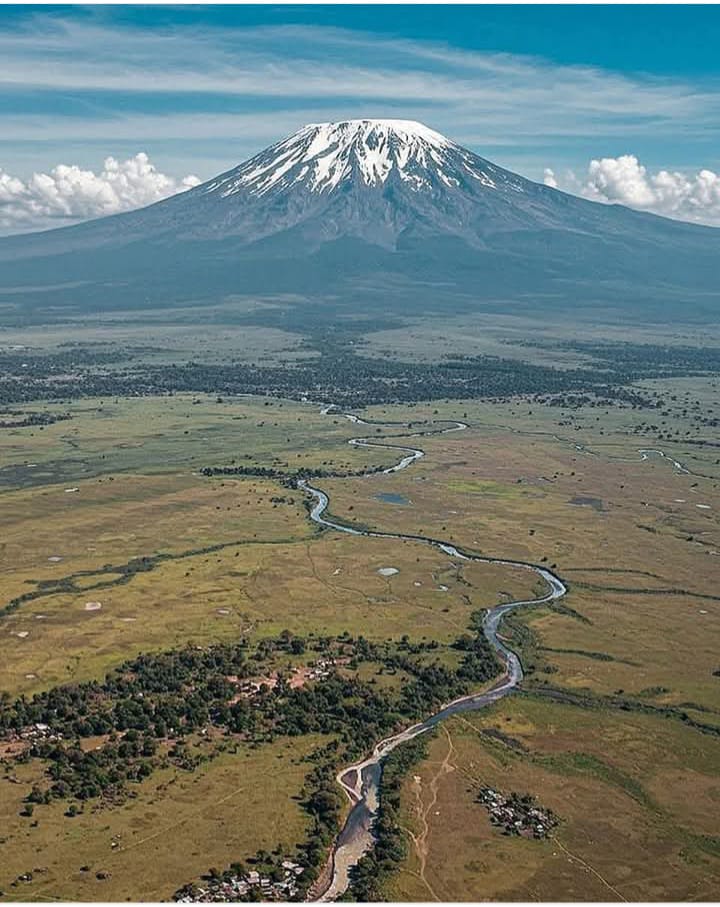
Let Leann Fun Tours and Safaris help you design a seamless safari and beach experience tailored to your needs. Our experts understand the best times, routes, and lodges across Kenya. Whether you’re seeking adventure, relaxation, or cultural immersion, we deliver it professionally. Reach out today and let us help you turn your travel goals into a well-planned reality.